01 / 08
1. Colour-coded hunt by age

Assign each age group a colour: gold for toddlers, blue for school-age, purple for teens and adults. Everyone hunts only their colour, which keeps little ones from being outrun by older cousins.
Clever ways to hide, theme, and reward an egg hunt so every age group gets a turn.
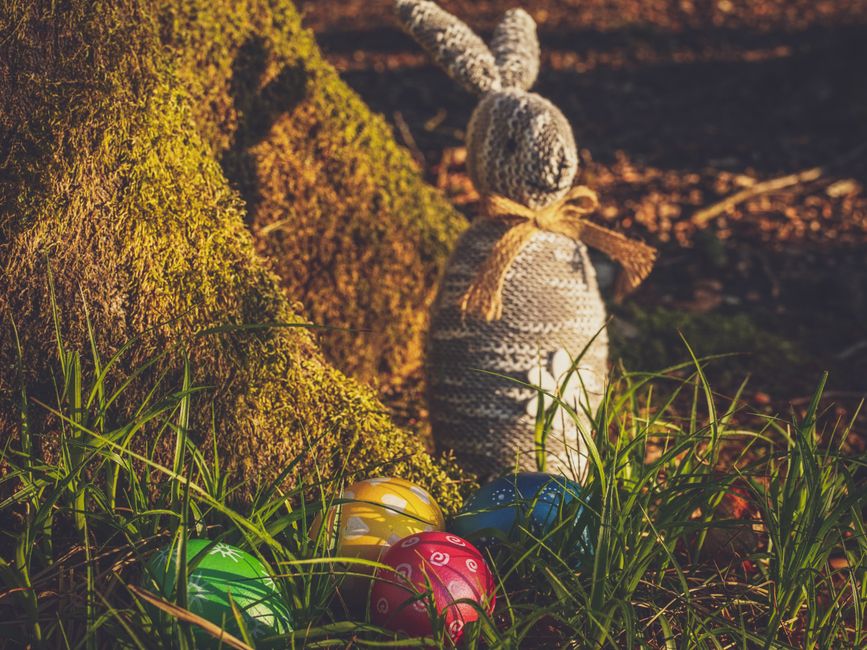
Assign each age group a colour: gold for toddlers, blue for school-age, purple for teens and adults. Everyone hunts only their colour, which keeps little ones from being outrun by older cousins.
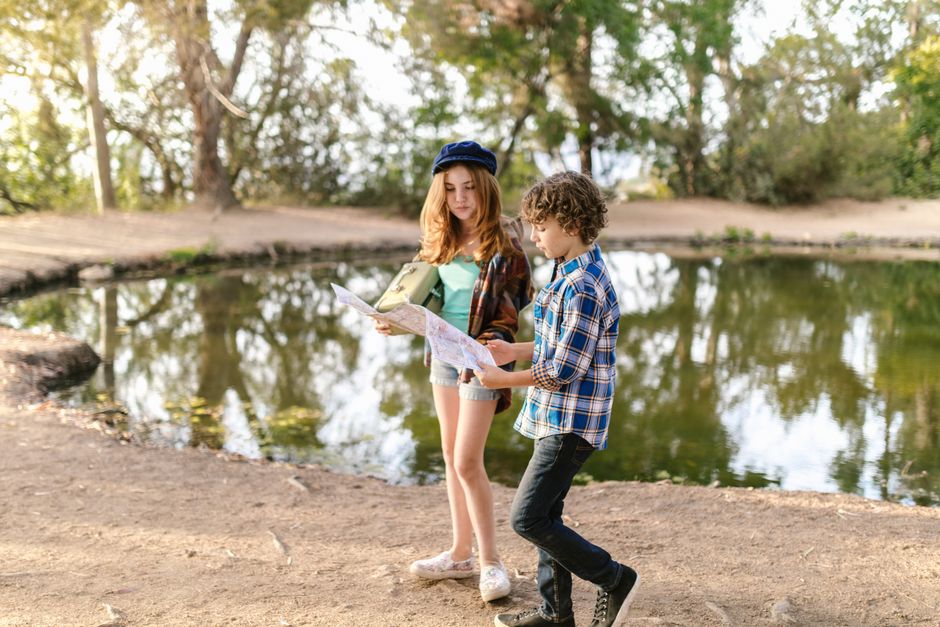
Hide numbered eggs with a rhyming clue inside each that leads to the next. The final egg holds a basket of treats. It stretches a ten-minute hunt into a proper half-hour adventure.
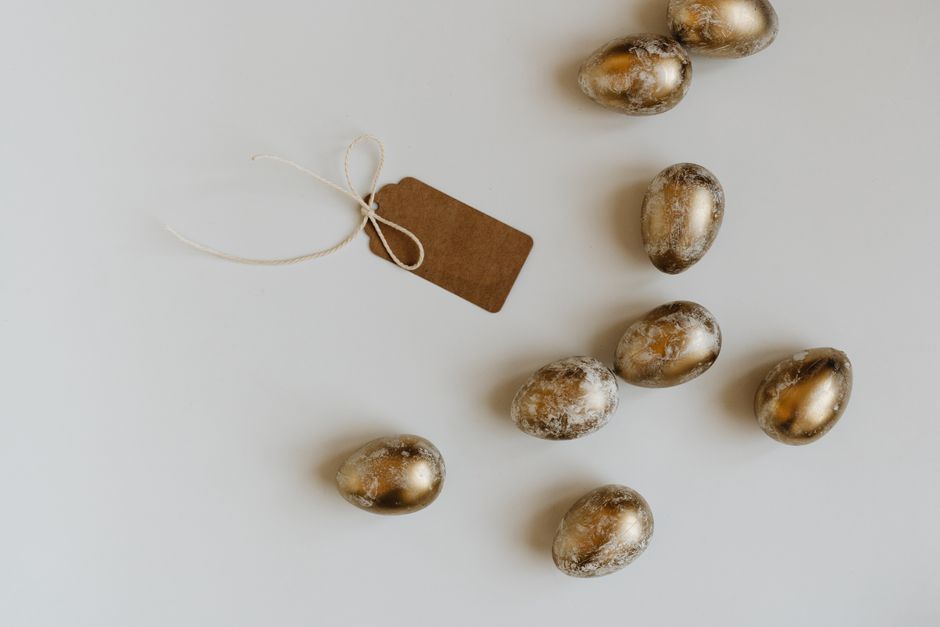
Hide a single gold egg holding a small prize, such as a book token or a handmade coupon. The chase for one special egg gives even confident hunters something extra to aim for.
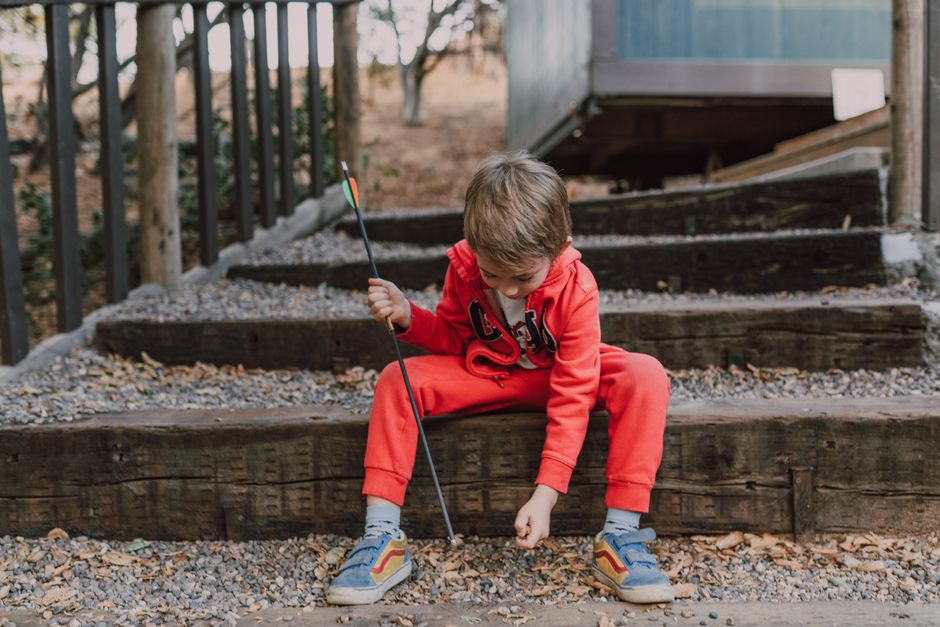
Scatter big plastic eggs on the lawn at ground level, in plain view. Toddlers wander happily, collecting without frustration, and you get lovely photos of small hands in the grass.
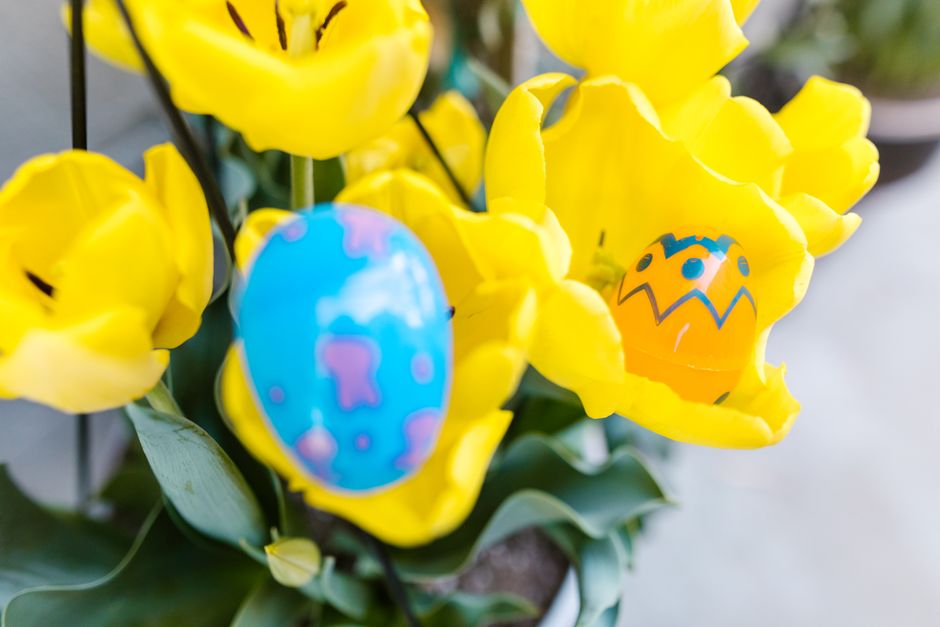
Slip glow sticks into translucent eggs and hide them around the garden at dusk. The glowing pastel dots make older kids feel like they are on a secret mission.

Before the hunt, run a quick egg-and-spoon race across the lawn using hard-boiled eggs. It burns off excited energy and gets everyone laughing before the real search begins.

Dust flour footprints across the grass or use chalk paw prints on paving stones so the children follow the Easter bunny's trail. The path leads to one big basket in a tucked-away corner.

Use fabric or wooden eggs stuffed with seed packets, tiny stickers, or fair-trade chocolate. Collect them afterward and reuse them next year, so the tradition costs less each spring.