diy-creativity · Sewing
21 Zip Pouch ideas
A focused sewing guide with distinct subjects, practical details, and useful ways to approach the topic.
01 / 21
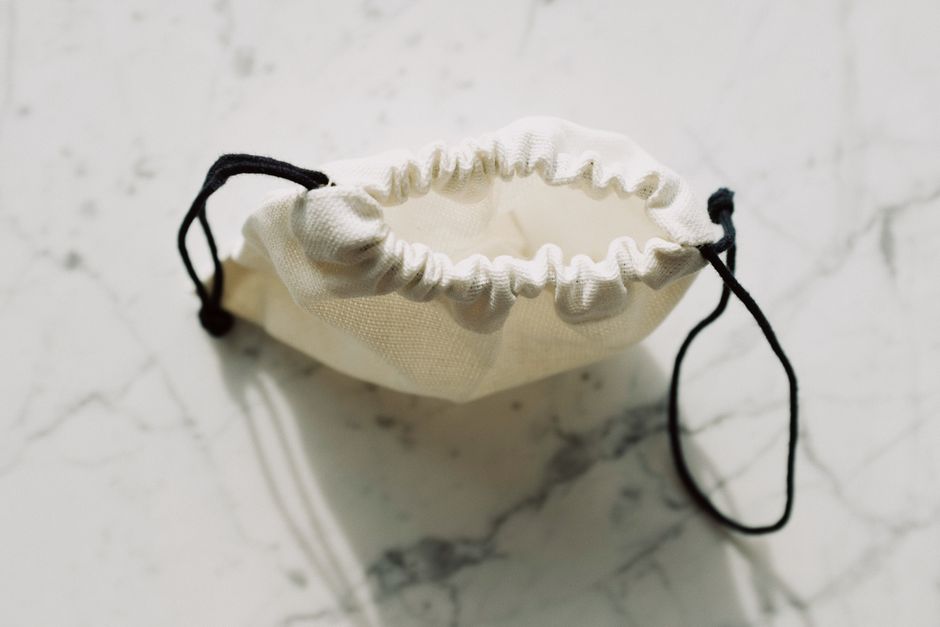
1. Reversible Market Bag for a keepsake project

Reversible Market Bag is one of those ideas that looks effortless when it's done well, and the secret is mostly in the preparation.
This suits a keepsake project well, since it can be scaled up or down without losing what makes it work. Step back from the reversible market bag every few minutes; seeing it from a distance shows what needs fixing.
Good lighting improves craft quality more than expensive supplies do. Working in a series of three or five pieces teaches more than one perfect one.
Try it once this week and you'll quickly see whether reversible market bag deserves a permanent place in your rotation.
02 / 21
2. Cushion Cover with a hand-painted finish
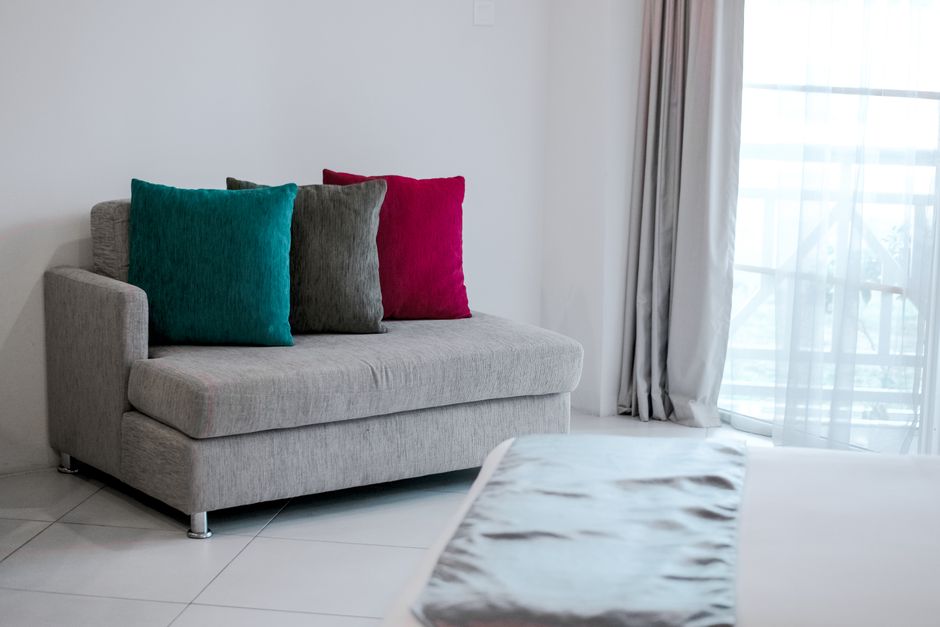
You don't need special skills for cushion cover, only a bit of patience and a willingness to adjust as you go.
The a hand-painted finish idea works because it adds contrast without adding complexity. Protect your table for the cushion cover with newspaper or a cutting mat and keep a damp cloth close.
Sealing or varnishing protects a finished project and gives it a professional look. Following one tutorial exactly, then changing one thing, is the quickest way to develop your own style.
The best measure of cushion cover is simple: does it make the day feel a little easier or a little brighter?
03 / 21
3. Fabric Basket using pressed botanicals
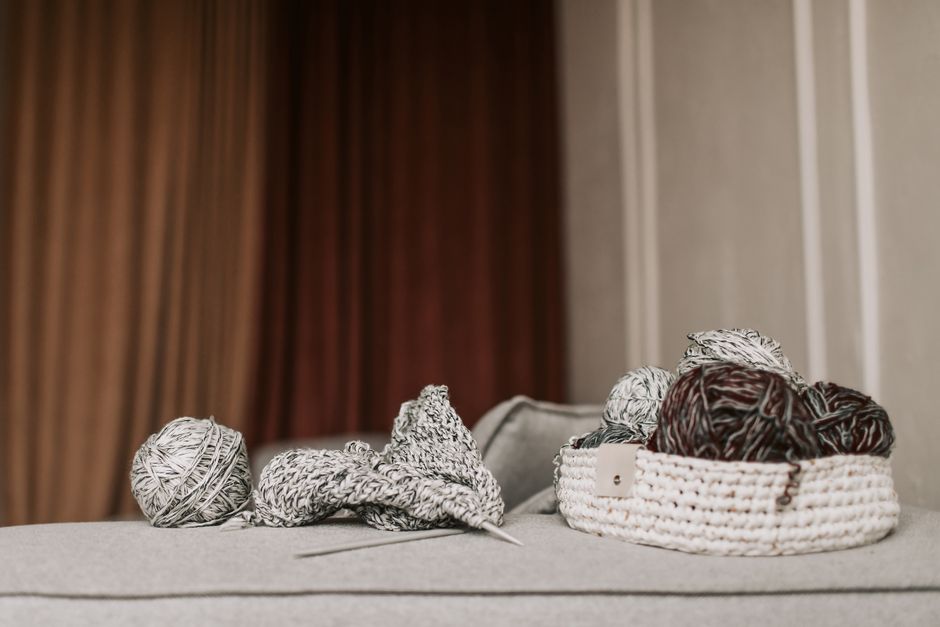
Some ideas hold up over time, and fabric basket is one of them; it looks good, feels good, and stays useful.
There's something satisfying about using pressed botanicals, because the material shapes the outcome as much as you do. Practise the key technique for the fabric basket on an offcut, because the first attempt is rarely the best.
Mistakes are useful; a smudge often turns into the best part of a piece. Keep a small box of offcuts; they solve problems for future projects.
Little by little, fabric basket stops feeling like a project and starts feeling like a habit.
04 / 21
4. Tote Bag with a stitched detail

What makes tote bag worth trying is how much room it leaves for your own taste.
If a stitched detail isn't available, look for a close substitute that keeps the same feeling. Gather every material for the tote bag before you begin, so you never have to stop when you're in the flow.
Cheap tools are fine for a first attempt, and upgrading later shows you what actually matters. Photographing your process helps you spot what to repeat and what to skip.
Keep a note of what you'd change next time, because tote bag gets better with each attempt.
05 / 21
5. Apron from recycled paper

Not every idea needs to be dramatic, and apron proves it with quiet, dependable charm.
It also helps to think of it from the recycled paper, because that framing decides what to include. Sketch the apron on scrap paper first; ten minutes of planning prevents most mistakes.
Good lighting improves craft quality more than expensive supplies do. Following one tutorial exactly, then changing one thing, is the quickest way to develop your own style.
Once you've made apron your own, it becomes an idea you'll happily return to.
06 / 21
6. Simple Skirt with a watercolor layer

There's a reason simple skirt keeps coming up: it's simple to start, easy to personalise, and hard to get badly wrong.
A watercolor layer is what gives this version its identity, so give it a little extra care. Work in thin, patient layers on the simple skirt and let each one dry fully before you add the next.
Sealing or varnishing protects a finished project and gives it a professional look. Working in a series of three or five pieces teaches more than one perfect one.
When in doubt with simple skirt, keep it simple and let quality do the work.
07 / 21
7. Scrunchie Set using thrifted fabric

Scrunchie Set has a way of making an ordinary day feel a little more considered, and it doesn't take much to pull off.
Working with thrifted fabric rewards a slow pace; rushing usually shows in the finish. Finish the scrunchie set with a small detail, like a signature, a sealant, or a hand-written tag.
Good lighting improves craft quality more than expensive supplies do. Mistakes are useful; a smudge often turns into the best part of a piece.
If scrunchie set works for you, build on it; if not, take what helped and move on without guilt.
08 / 21
8. Zip Pouch with a bold geometric pattern
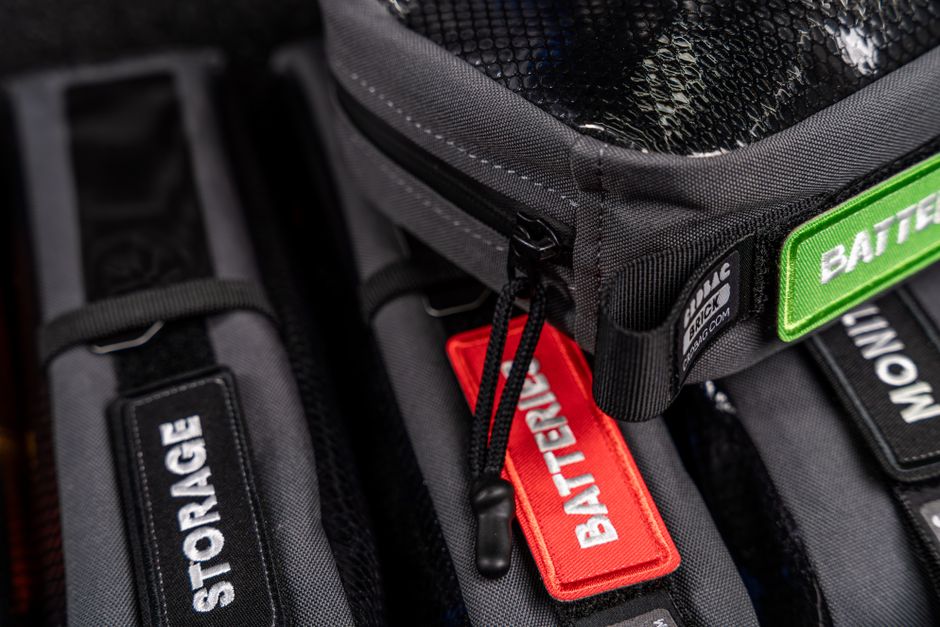
If your list of ideas has gone stale, zip pouch is the kind of change that breathes new life into it.
A bold geometric pattern is the detail people will notice first, so it's worth getting right. Photograph the zip pouch in daylight; it records the work and shows how much you've improved.
Working in a series of three or five pieces teaches more than one perfect one. Mistakes are useful; a smudge often turns into the best part of a piece.
Small adjustments make zip pouch personal, so don't hesitate to swap in whatever suits your taste.
09 / 21
9. Pillow Cover for a beginner maker

Think of pillow cover as a small project with a big payoff: an hour of thought now saves a lot of fuss later.
Built for a beginner maker, this version stays practical and doesn't ask for more than the moment can give. Work in thin, patient layers on the pillow cover and let each one dry fully before you add the next.
Photographing your process helps you spot what to repeat and what to skip. Working in a series of three or five pieces teaches more than one perfect one.
Share pillow cover with a friend and swap notes afterwards. Two versions are always more interesting than one.
10 / 21
10. Patchwork Table Runner for a weekend project
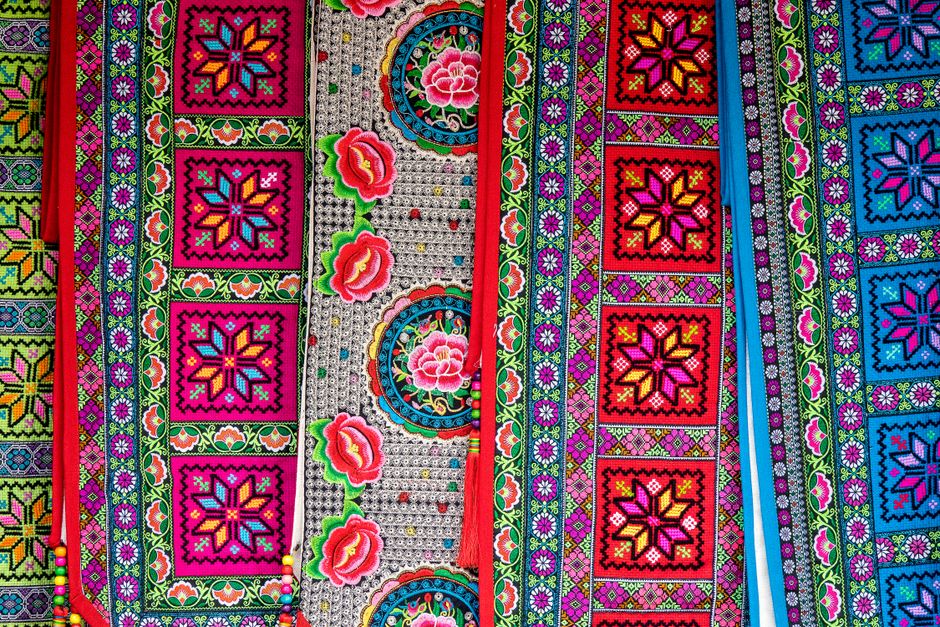
Patchwork Table Runner is best approached with curiosity: try it once, notice what works, and refine from there.
Built for a weekend project, this version stays practical and doesn't ask for more than the moment can give. Work in thin, patient layers on the patchwork table runner and let each one dry fully before you add the next.
Cheap tools are fine for a first attempt, and upgrading later shows you what actually matters.
Save this one for later; patchwork table runner is the kind of idea that becomes more useful the more you think about it.
11 / 21
11. Drawstring Pouch with a personalized monogram
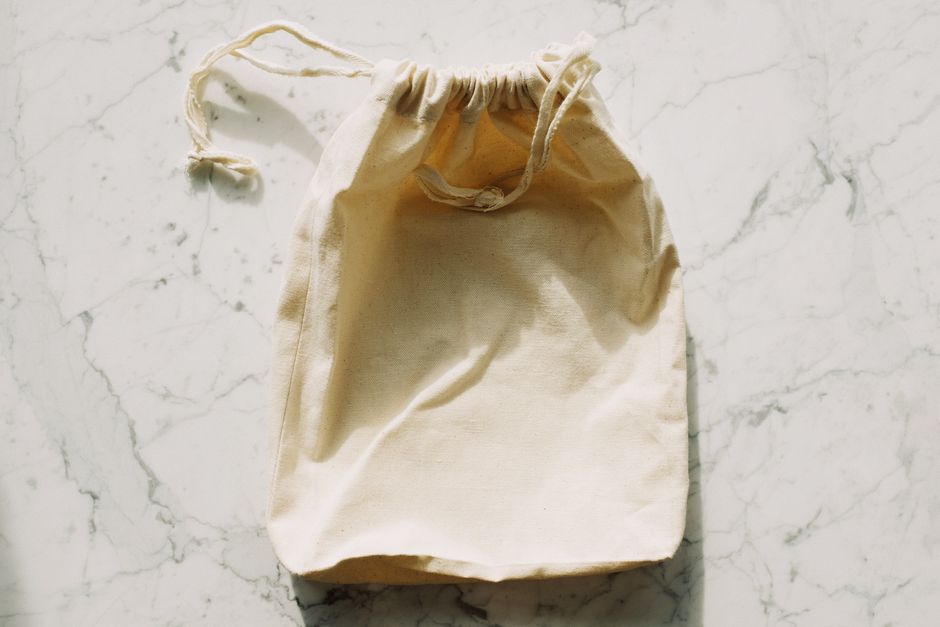
Before you start on drawstring pouch, take a minute to picture the finished result; it will guide every choice you make.
A personalized monogram is what gives this version its identity, so give it a little extra care. Practise the key technique for the drawstring pouch on an offcut, because the first attempt is rarely the best.
Working in a series of three or five pieces teaches more than one perfect one. Mistakes are useful; a smudge often turns into the best part of a piece.
Once you've made drawstring pouch your own, it becomes an idea you'll happily return to.
12 / 21
12. Fabric Headband using air-dry clay

Fabric Headband suits people who like to plan a little and improvise a little.
Choosing air-dry clay also keeps the cost low and gives the finished piece a character of its own. Photograph the fabric headband in daylight; it records the work and shows how much you've improved.
Photographing your process helps you spot what to repeat and what to skip. Working in a series of three or five pieces teaches more than one perfect one.
The best measure of fabric headband is simple: does it make the day feel a little easier or a little brighter?
13 / 21
13. Reversible Market Bag with a layered-paper effect

Reversible Market Bag rewards a little attention to detail, and the details are easier than they sound.
A layered-paper effect is what gives this version its identity, so give it a little extra care. Sketch the reversible market bag on scrap paper first; ten minutes of planning prevents most mistakes.
Sealing or varnishing protects a finished project and gives it a professional look. Good lighting improves craft quality more than expensive supplies do.
Little by little, reversible market bag stops feeling like a project and starts feeling like a habit.
14 / 21
14. Cushion Cover for a thoughtful gift
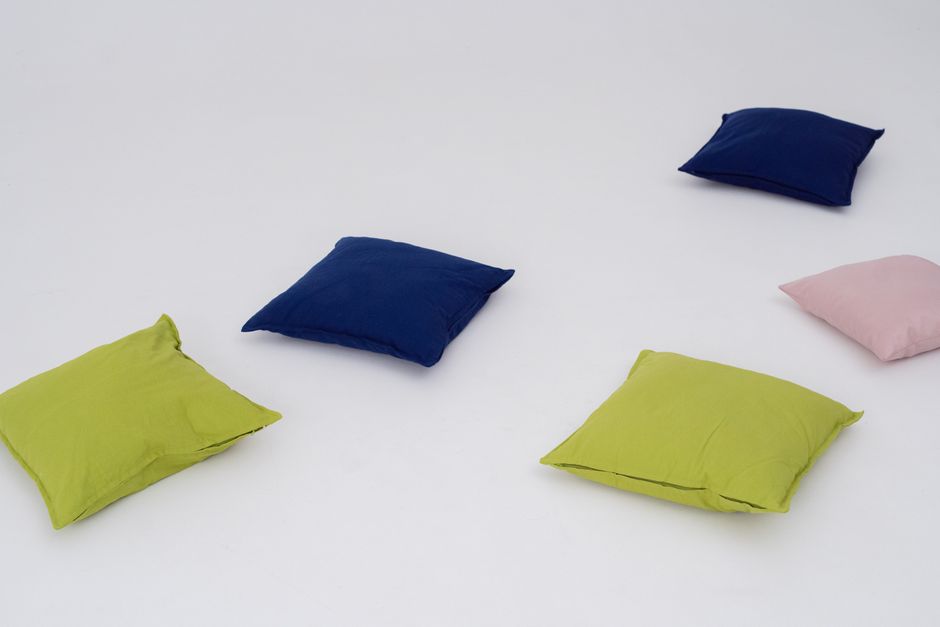
Many people overlook cushion cover, but it can transform a routine moment into something worth remembering.
Keep a thoughtful gift in mind as you go, and adjust the details whenever the plan changes. Protect your table for the cushion cover with newspaper or a cutting mat and keep a damp cloth close.
Cheap tools are fine for a first attempt, and upgrading later shows you what actually matters.
If cushion cover works for you, build on it; if not, take what helped and move on without guilt.
15 / 21
15. Fabric Basket using leftover materials
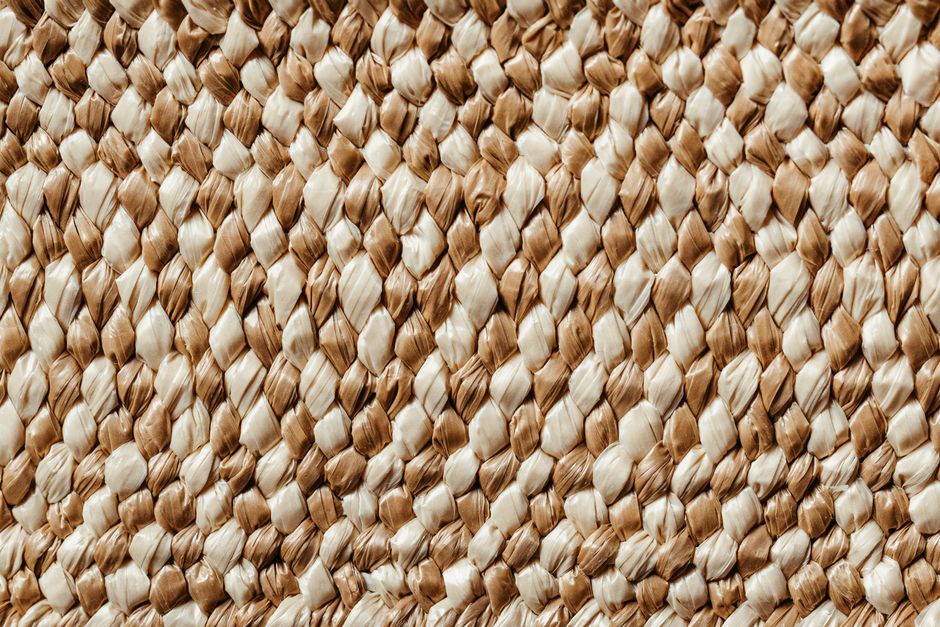
Here's a version of fabric basket that works whether you're a first-timer or someone who does this all the time.
Choosing leftover materials also keeps the cost low and gives the finished piece a character of its own. Practise the key technique for the fabric basket on an offcut, because the first attempt is rarely the best.
Mistakes are useful; a smudge often turns into the best part of a piece. Keep a small box of offcuts; they solve problems for future projects.
If fabric basket works for you, build on it; if not, take what helped and move on without guilt.
16 / 21
16. Tote Bag with a hand-lettered element
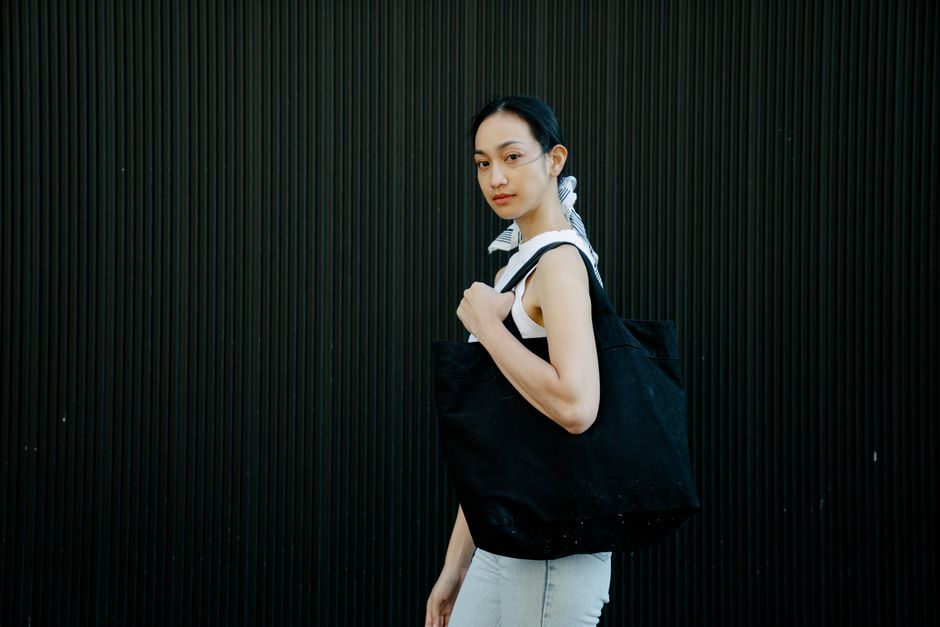
Tote Bag has a way of making an ordinary day feel a little more considered, and it doesn't take much to pull off.
Adding a hand-lettered element takes little effort but changes how the whole thing reads. Finish the tote bag with a small detail, like a signature, a sealant, or a hand-written tag.
Mistakes are useful; a smudge often turns into the best part of a piece.
When in doubt with tote bag, keep it simple and let quality do the work.
17 / 21
17. Apron for a small creative corner
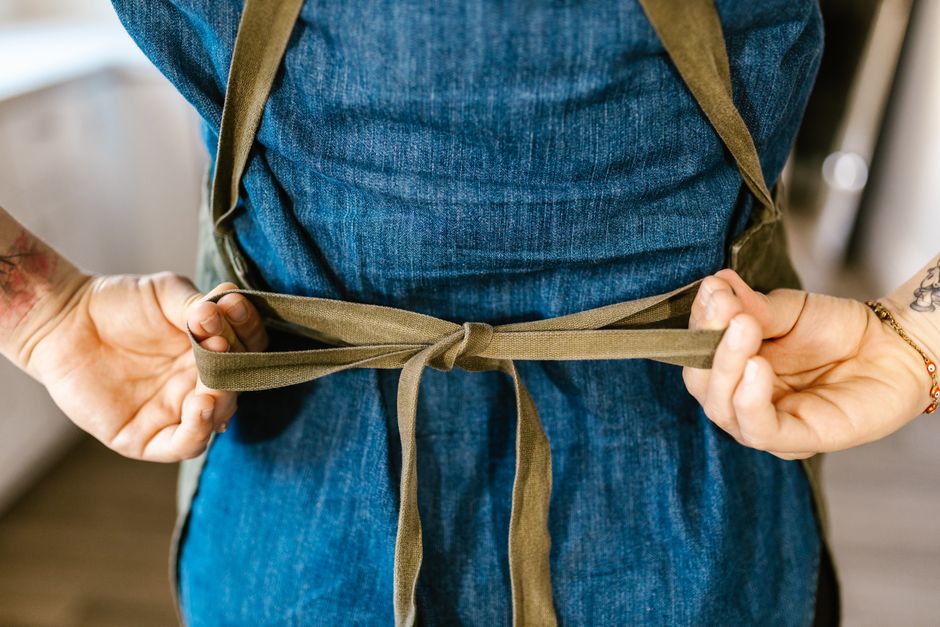
If you want something that feels fresh without being complicated, apron is a solid place to begin.
When the goal is a small creative corner, simplicity usually wins; an extra step only helps if it earns its place. Step back from the apron every few minutes; seeing it from a distance shows what needs fixing.
Photographing your process helps you spot what to repeat and what to skip. Sealing or varnishing protects a finished project and gives it a professional look.
Try it once this week and you'll quickly see whether apron deserves a permanent place in your rotation.
18 / 21
18. Simple Skirt using old photographs
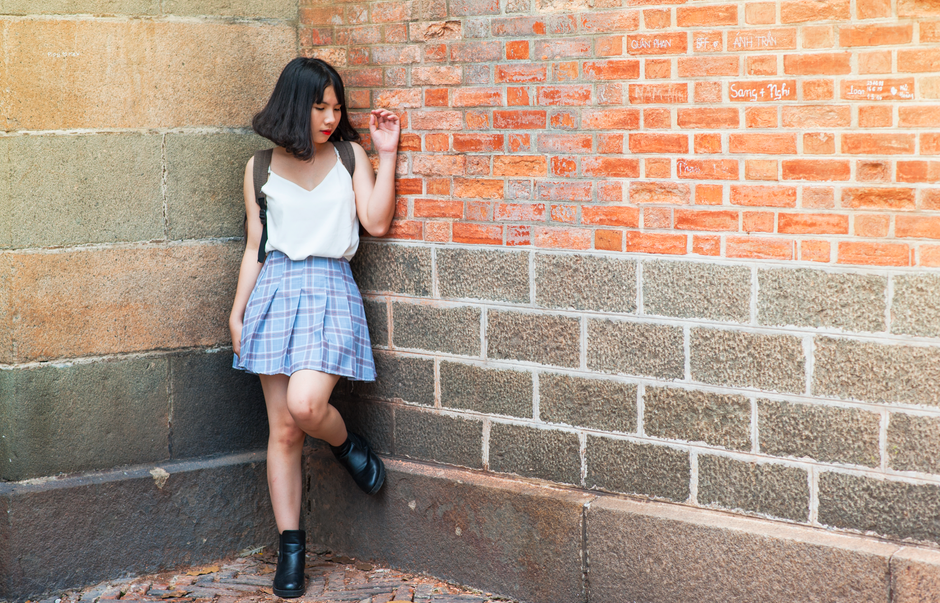
If your list of ideas has gone stale, simple skirt is the kind of change that breathes new life into it.
Old photographs brings a handmade quality that shop-bought alternatives rarely match. Work in thin, patient layers on the simple skirt and let each one dry fully before you add the next.
Mistakes are useful; a smudge often turns into the best part of a piece. Working in a series of three or five pieces teaches more than one perfect one.
When in doubt with simple skirt, keep it simple and let quality do the work.
19 / 21
19. Scrunchie Set with a tactile texture
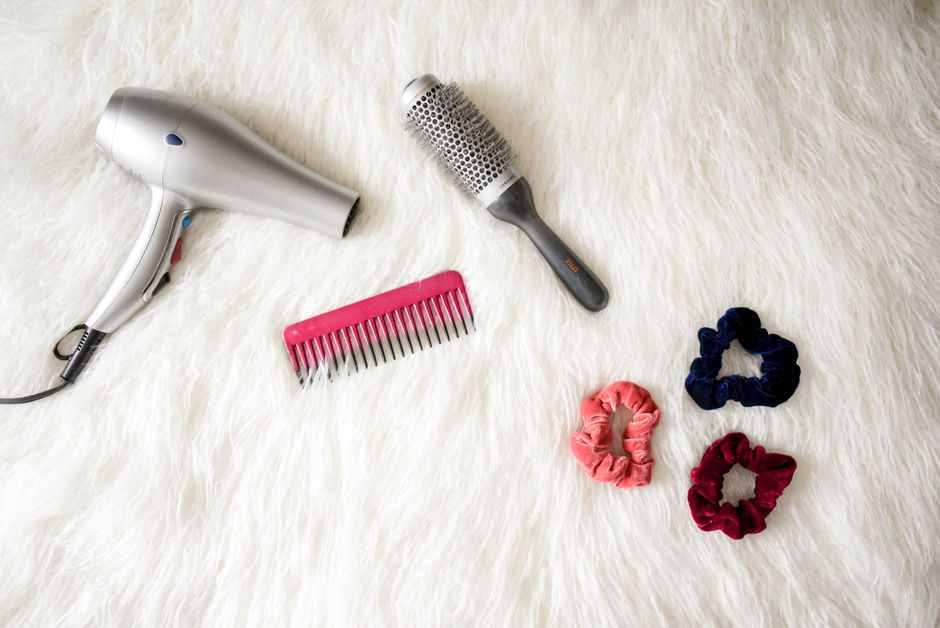
Scrunchie Set has a way of making an ordinary day feel a little more considered, and it doesn't take much to pull off.
The a tactile texture idea works because it adds contrast without adding complexity. Gather every material for the scrunchie set before you begin, so you never have to stop when you're in the flow.
Photographing your process helps you spot what to repeat and what to skip.
Small adjustments make scrunchie set personal, so don't hesitate to swap in whatever suits your taste.
20 / 21
20. Zip Pouch for a rainy afternoon
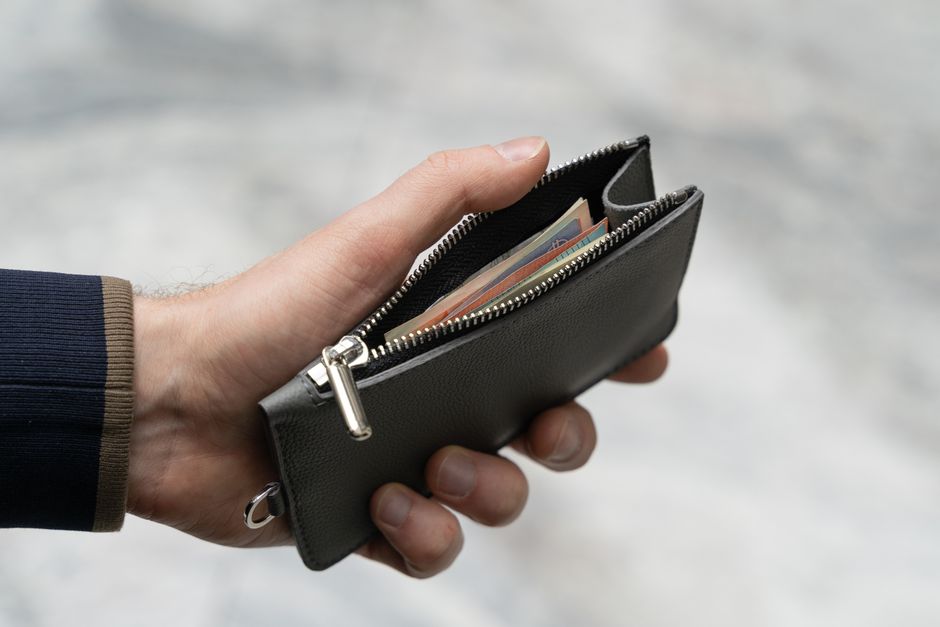
Before you start on zip pouch, take a minute to picture the finished result; it will guide every choice you make.
This suits a rainy afternoon well, since it can be scaled up or down without losing what makes it work. Work in thin, patient layers on the zip pouch and let each one dry fully before you add the next.
Keep a small box of offcuts; they solve problems for future projects. Mistakes are useful; a smudge often turns into the best part of a piece.
When in doubt with zip pouch, keep it simple and let quality do the work.
21 / 21
21. Pillow Cover using household supplies
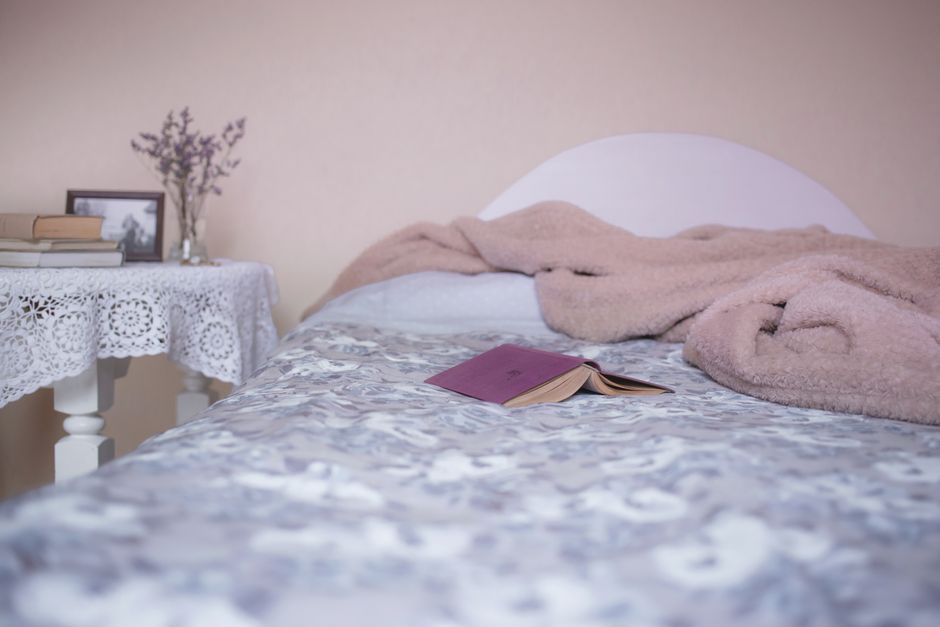
Pillow Cover suits people who like to plan a little and improvise a little.
There's something satisfying about using household supplies, because the material shapes the outcome as much as you do. Protect your table for the pillow cover with newspaper or a cutting mat and keep a damp cloth close.
Photographing your process helps you spot what to repeat and what to skip. Following one tutorial exactly, then changing one thing, is the quickest way to develop your own style.
Once you've made pillow cover your own, it becomes an idea you'll happily return to.