01 / 08
1. Host a murder mystery dinner

Send each guest a character card in advance and ask them to dress the part. Serve a three-course meal while clues drop between courses. The most fun comes from the guests who overact.
Hidden roles, secret clues, and the delicious moment someone says 'I knew it!'
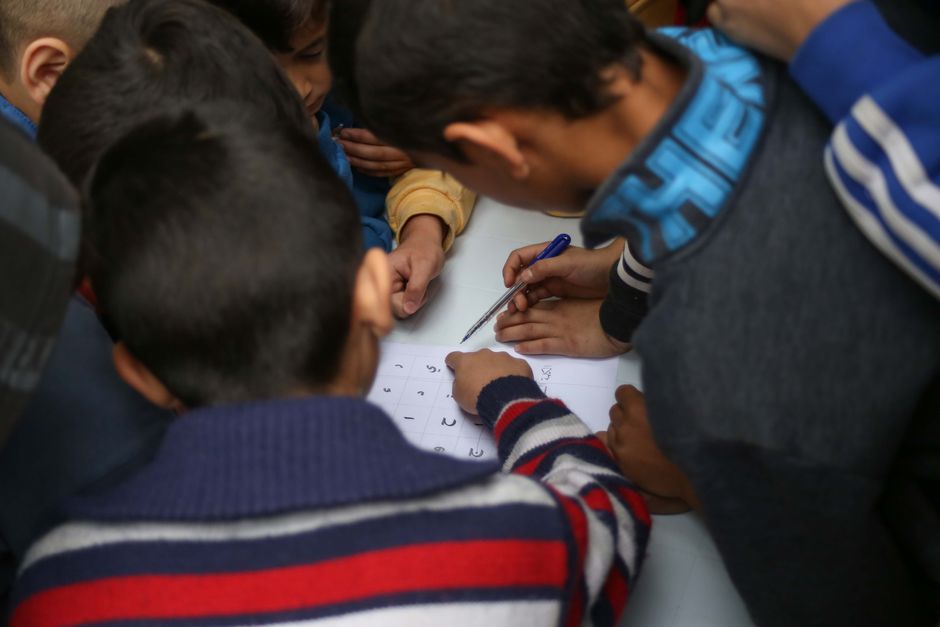
Send each guest a character card in advance and ask them to dress the part. Serve a three-course meal while clues drop between courses. The most fun comes from the guests who overact.
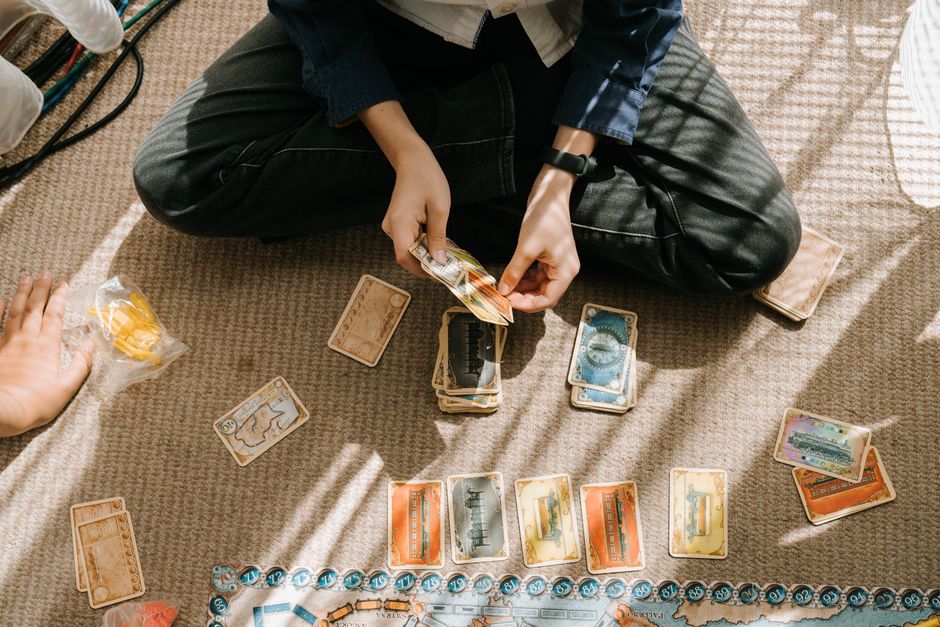
A ghost can only communicate through dreamlike picture cards. Players interpret them to identify the suspect. It's atmospheric, a bit spooky, and creates delightful arguments about surreal artwork.

One person narrates while villagers sleep and wolves secretly choose a victim. By morning, accusations fly. Play it outdoors on a summer night for the best effect.
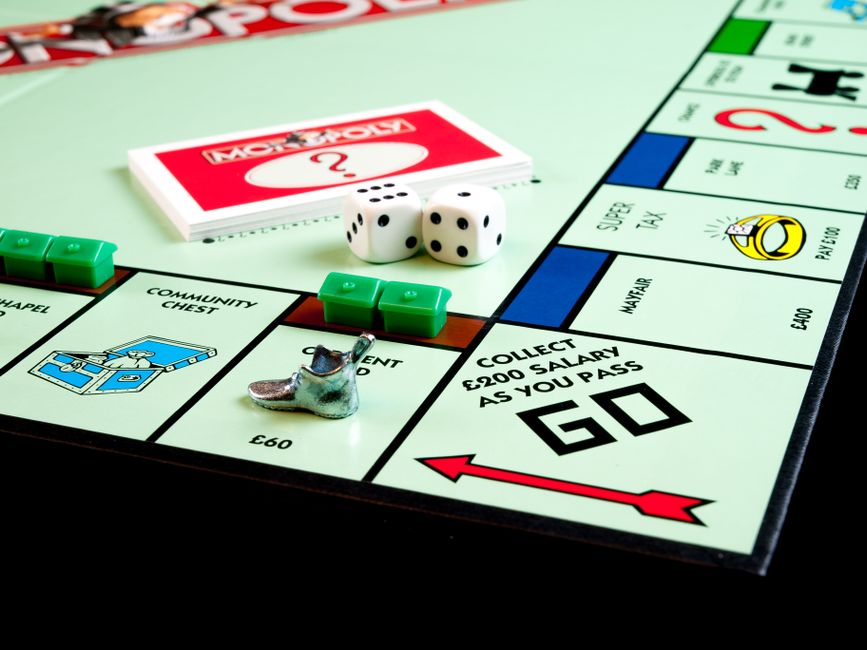
Assign each player a character and require them to stay in role for the whole game. Accusations become theatre, and the mansion suddenly feels alive.
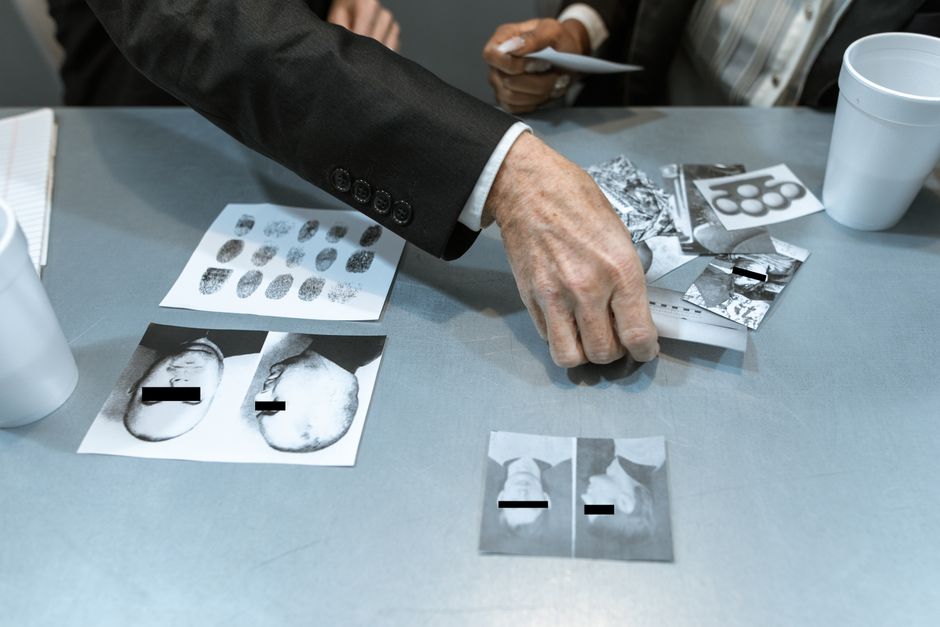
Print a detective case with witness statements, maps, and photo evidence, and let a team solve it. Set it up on a desk with a magnifying glass for extra atmosphere.

One player is the murderer, another the forensic scientist. The scientist can only answer with symbols. It brings a strong dose of role-playing to a classic whodunit.

Read a case from a book, then research the answers using a newspaper and a city directory. Real detective work, minus the danger. It takes about an hour per case.
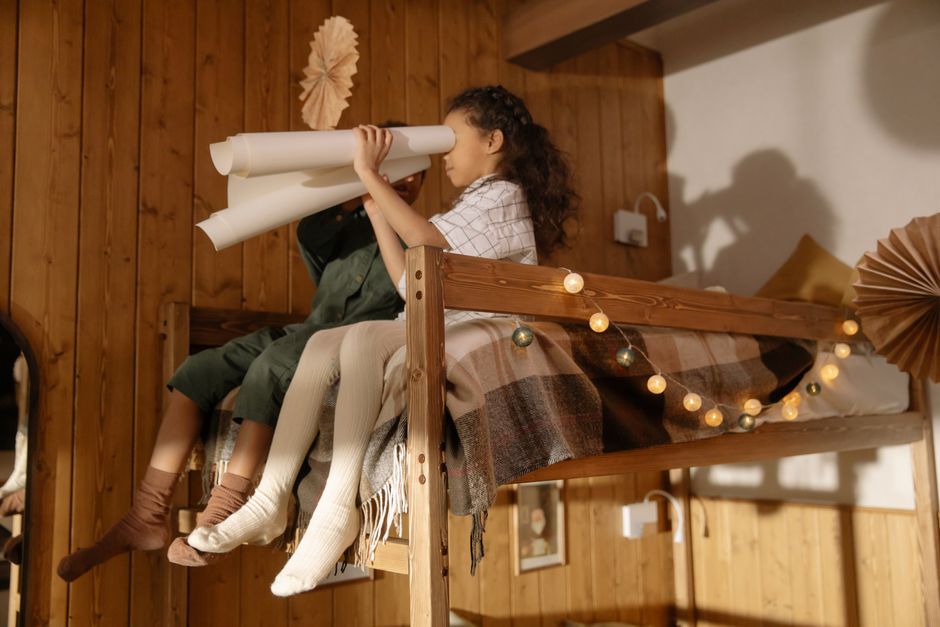
Set up a small crime scene with crumbs and clues around the house, and let children interview suspects. Give each a notebook and a badge. They will take it very seriously.