01 / 08
1. Codenames Duet: two minds, one grid
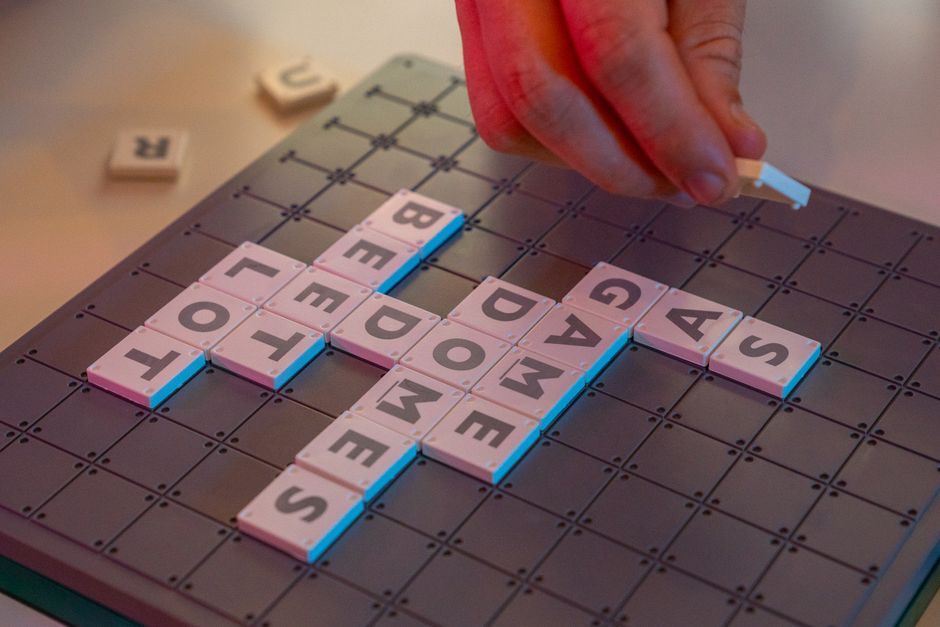
Give one-word clues that link several cards without hitting the assassin. It is cooperative, so couples feel like a team rather than opponents. You will learn how your partner's brain sorts the world.
Games built on clues, hunches, and the joy of realising your friend thinks exactly like you.

Give one-word clues that link several cards without hitting the assassin. It is cooperative, so couples feel like a team rather than opponents. You will learn how your partner's brain sorts the world.

Every player writes a one-word clue, but any duplicates are removed before the guesser sees them. Being the odd one out is the entire trick. It plays up to seven and never feels the same twice.
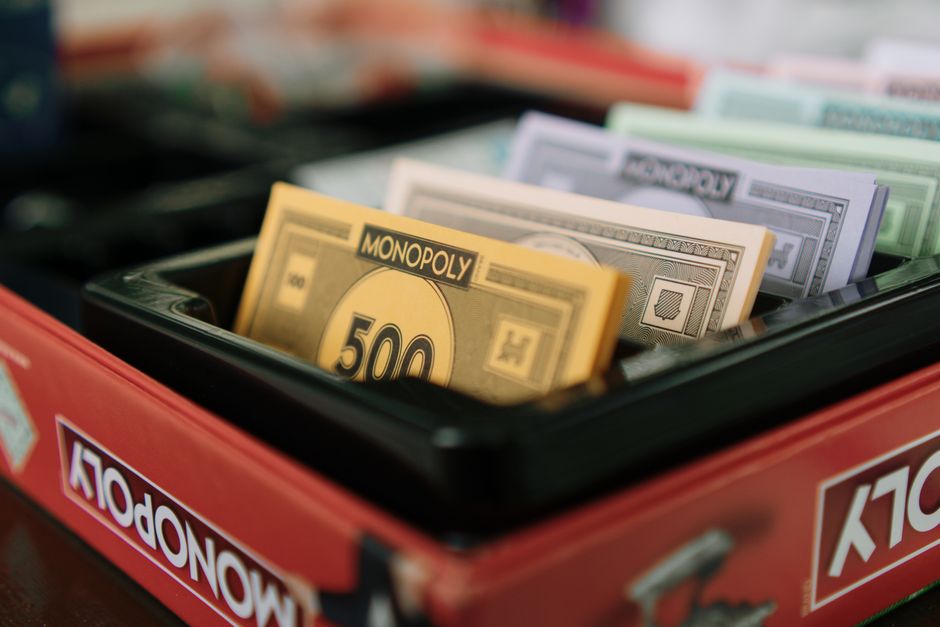
One player secretly sees a target on a spectrum, such as 'hot to cold', and gives a clue. The team slides the dial to where they think it is. It sparks great arguments about what 'spicy' really means.
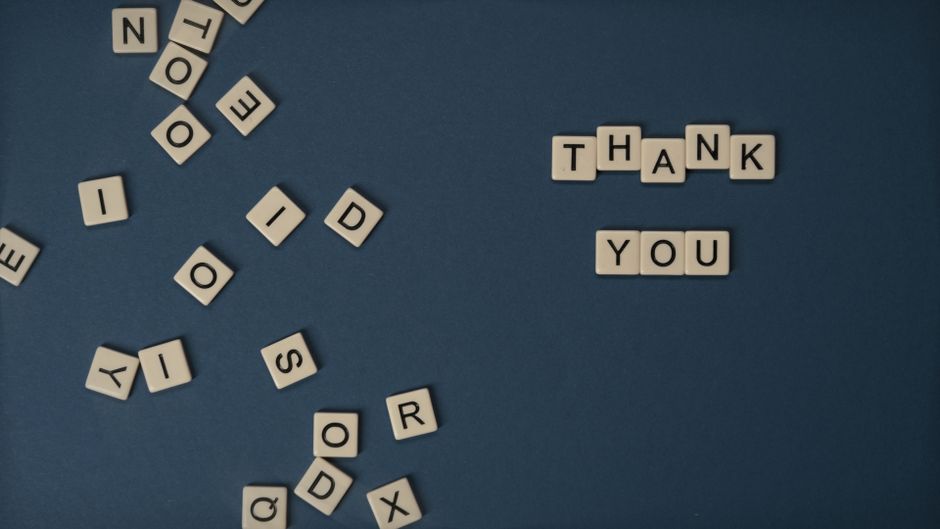
Pull letter tiles from a banana-shaped pouch and race to build a crossword-style grid. It fits in a handbag and needs no board. It is ideal for cafes, campsites, and waiting rooms.
Two teams take turns giving one-word clues to help teammates guess a secret word. Add a rule: the clue cannot be a noun. That single limit makes even the easiest words tricky.

Write a sentence, pass the paper, draw it, pass again, and describe the drawing. The final chain reveals how far a message can wander. Read them aloud at the end, and prepare for tears of laughter.
Instead of a random word, play with famous film titles. The category makes guesses smarter, and the gallows drawing becomes a shared piece of silly art. It needs just paper and a pen.

Add a bonus for any word that relates to the evening's theme, like food or travel. It makes the board more personal and turns a tired classic into something fresh.