smart-life · Productivity
27 Task Parking Lot ideas
A focused productivity guide with distinct subjects, practical details, and useful ways to approach the topic.

01 / 27
1. Single-Task Hour with a better search habit

When it comes to productivity, single-task hour with a better search habit stands out because it solves a real problem rather than adding another layer of complexity.
Time-blocking your calendar in advance turns vague intentions into protected, committed work sessions. When setting up single-task hour with a better search habit, give yourself a single session to configure it properly rather than doing it in pieces across several days.
The two-minute rule is simple: if a task takes under two minutes, do it now rather than adding it to a list.
This is the kind of productivity habit that compounds — each week becomes noticeably easier than the last.
02 / 27
2. Calendar Buffer for a phone-free focus block
The appeal of calendar buffer for a phone-free focus block is how quickly it pays off — most people notice the difference within the first few uses.
The two-minute rule is simple: if a task takes under two minutes, do it now rather than adding it to a list. When setting up calendar buffer for a phone-free focus block, give yourself a single session to configure it properly rather than doing it in pieces across several days.
Weekly reviews on Friday afternoon set the stage for a calm, intentional Monday morning.
Build this into your routine and within a month it will feel completely natural.
03 / 27
3. Weekly Review using scheduled routines

Weekly Review using scheduled routines works especially well for anyone looking to get more out of their productivity setup without overhauling everything at once.
Weekly reviews on Friday afternoon set the stage for a calm, intentional Monday morning. When setting up weekly review using scheduled routines, give yourself a single session to configure it properly rather than doing it in pieces across several days.
Single-tasking consistently outperforms multitasking — close unrelated tabs before starting focused work.
Small, consistent improvements to how you work add up to dramatically better outcomes over time.
04 / 27
4. Two-List Morning with an emergency backup

If you've been looking for a concrete starting point in productivity, two-list morning with an emergency backup is one of the most actionable places to begin.
Single-tasking consistently outperforms multitasking — close unrelated tabs before starting focused work. When setting up two-list morning with an emergency backup, give yourself a single session to configure it properly rather than doing it in pieces across several days.
Energy management matters as much as time management — schedule deep work during your peak alert hours.
The goal isn't to do more — it's to do what matters with less friction and more focus.
05 / 27
5. Priority Parking Note for a new-user setup

Priority Parking Note for a new-user setup is one of the most practical approaches you can take in productivity — straightforward to set up and immediately useful.
Energy management matters as much as time management — schedule deep work during your peak alert hours. When setting up priority parking note for a new-user setup, give yourself a single session to configure it properly rather than doing it in pieces across several days.
A clear task list with no more than three priorities per day reduces decision fatigue and increases output.
Start with just this one change this week and notice how it shifts the rest of your day.
06 / 27
6. Focus Sprint using privacy controls

When it comes to productivity, focus sprint using privacy controls stands out because it solves a real problem rather than adding another layer of complexity.
A clear task list with no more than three priorities per day reduces decision fatigue and increases output. When setting up focus sprint using privacy controls, give yourself a single session to configure it properly rather than doing it in pieces across several days.
Template everything you do more than once — emails, meeting agendas, reports — and watch your speed double.
This is the kind of productivity habit that compounds — each week becomes noticeably easier than the last.
07 / 27
7. Inbox Sweep with a simple automation chain

The appeal of inbox sweep with a simple automation chain is how quickly it pays off — most people notice the difference within the first few uses.
Template everything you do more than once — emails, meeting agendas, reports — and watch your speed double. When setting up inbox sweep with a simple automation chain, give yourself a single session to configure it properly rather than doing it in pieces across several days.
Saying no to low-priority commitments is one of the most powerful productivity skills you can build.
Build this into your routine and within a month it will feel completely natural.
08 / 27
8. Friday Shutdown for weekend maintenance

Friday Shutdown for weekend maintenance works especially well for anyone looking to get more out of their productivity setup without overhauling everything at once.
Saying no to low-priority commitments is one of the most powerful productivity skills you can build. When setting up friday shutdown for weekend maintenance, give yourself a single session to configure it properly rather than doing it in pieces across several days.
End every work session by writing tomorrow's first task — it makes starting the next day effortless.
Small, consistent improvements to how you work add up to dramatically better outcomes over time.
09 / 27
9. Task Parking Lot using keyboard shortcuts

If you've been looking for a concrete starting point in productivity, task parking lot using keyboard shortcuts is one of the most actionable places to begin.
End every work session by writing tomorrow's first task — it makes starting the next day effortless. When setting up task parking lot using keyboard shortcuts, give yourself a single session to configure it properly rather than doing it in pieces across several days.
Notifications are the single biggest productivity killer — turn off everything that doesn't require immediate action.
The goal isn't to do more — it's to do what matters with less friction and more focus.
10 / 27
10. Email Window with a lighter app stack
Email Window with a lighter app stack is one of the most practical approaches you can take in productivity — straightforward to set up and immediately useful.
Notifications are the single biggest productivity killer — turn off everything that doesn't require immediate action. When setting up email window with a lighter app stack, give yourself a single session to configure it properly rather than doing it in pieces across several days.
The Pomodoro method works best for tasks you're avoiding — 25 minutes of focus makes anything feel manageable.
Start with just this one change this week and notice how it shifts the rest of your day.
11 / 27
11. Desk Reset for a family workflow

When it comes to productivity, desk reset for a family workflow stands out because it solves a real problem rather than adding another layer of complexity.
The Pomodoro method works best for tasks you're avoiding — 25 minutes of focus makes anything feel manageable. When setting up desk reset for a family workflow, give yourself a single session to configure it properly rather than doing it in pieces across several days.
Batch similar tasks together instead of switching between types — context-switching has a hidden time cost.
This is the kind of productivity habit that compounds — each week becomes noticeably easier than the last.
12 / 27
12. Meeting-Free Block using cloud organization

The appeal of meeting-free block using cloud organization is how quickly it pays off — most people notice the difference within the first few uses.
Batch similar tasks together instead of switching between types — context-switching has a hidden time cost. When setting up meeting-free block using cloud organization, give yourself a single session to configure it properly rather than doing it in pieces across several days.
A clean, organised workspace reduces cognitive load before you've even started working.
Build this into your routine and within a month it will feel completely natural.
13 / 27
13. Single-Task Hour with a cleaner home screen
Single-Task Hour with a cleaner home screen works especially well for anyone looking to get more out of their productivity setup without overhauling everything at once.
A clean, organised workspace reduces cognitive load before you've even started working. When setting up single-task hour with a cleaner home screen, give yourself a single session to configure it properly rather than doing it in pieces across several days.
Automate recurring tasks like reports, reminders, and file organisation — your time is worth more than that.
Small, consistent improvements to how you work add up to dramatically better outcomes over time.
14 / 27
14. Calendar Buffer for a safer account setup
If you've been looking for a concrete starting point in productivity, calendar buffer for a safer account setup is one of the most actionable places to begin.
Automate recurring tasks like reports, reminders, and file organisation — your time is worth more than that. When setting up calendar buffer for a safer account setup, give yourself a single session to configure it properly rather than doing it in pieces across several days.
Track how you actually spend your time for one week; the results are almost always surprising and clarifying.
The goal isn't to do more — it's to do what matters with less friction and more focus.
15 / 27
15. Weekly Review using a recurring checklist

Weekly Review using a recurring checklist is one of the most practical approaches you can take in productivity — straightforward to set up and immediately useful.
Track how you actually spend your time for one week; the results are almost always surprising and clarifying. When setting up weekly review using a recurring checklist, give yourself a single session to configure it properly rather than doing it in pieces across several days.
Time-blocking your calendar in advance turns vague intentions into protected, committed work sessions.
Start with just this one change this week and notice how it shifts the rest of your day.
16 / 27
16. Two-List Morning with a better notification rhythm

When it comes to productivity, two-list morning with a better notification rhythm stands out because it solves a real problem rather than adding another layer of complexity.
Time-blocking your calendar in advance turns vague intentions into protected, committed work sessions. When setting up two-list morning with a better notification rhythm, give yourself a single session to configure it properly rather than doing it in pieces across several days.
The two-minute rule is simple: if a task takes under two minutes, do it now rather than adding it to a list.
This is the kind of productivity habit that compounds — each week becomes noticeably easier than the last.
17 / 27
17. Priority Parking Note for a quick digital reset

The appeal of priority parking note for a quick digital reset is how quickly it pays off — most people notice the difference within the first few uses.
The two-minute rule is simple: if a task takes under two minutes, do it now rather than adding it to a list. When setting up priority parking note for a quick digital reset, give yourself a single session to configure it properly rather than doing it in pieces across several days.
Weekly reviews on Friday afternoon set the stage for a calm, intentional Monday morning.
Build this into your routine and within a month it will feel completely natural.
18 / 27
18. Focus Sprint using an offline fallback

Focus Sprint using an offline fallback works especially well for anyone looking to get more out of their productivity setup without overhauling everything at once.
Weekly reviews on Friday afternoon set the stage for a calm, intentional Monday morning. When setting up focus sprint using an offline fallback, give yourself a single session to configure it properly rather than doing it in pieces across several days.
Single-tasking consistently outperforms multitasking — close unrelated tabs before starting focused work.
Small, consistent improvements to how you work add up to dramatically better outcomes over time.
19 / 27
19. Inbox Sweep with a compact gadget setup

If you've been looking for a concrete starting point in productivity, inbox sweep with a compact gadget setup is one of the most actionable places to begin.
Single-tasking consistently outperforms multitasking — close unrelated tabs before starting focused work. When setting up inbox sweep with a compact gadget setup, give yourself a single session to configure it properly rather than doing it in pieces across several days.
Energy management matters as much as time management — schedule deep work during your peak alert hours.
The goal isn't to do more — it's to do what matters with less friction and more focus.
20 / 27
20. Friday Shutdown for a beginner-friendly workflow
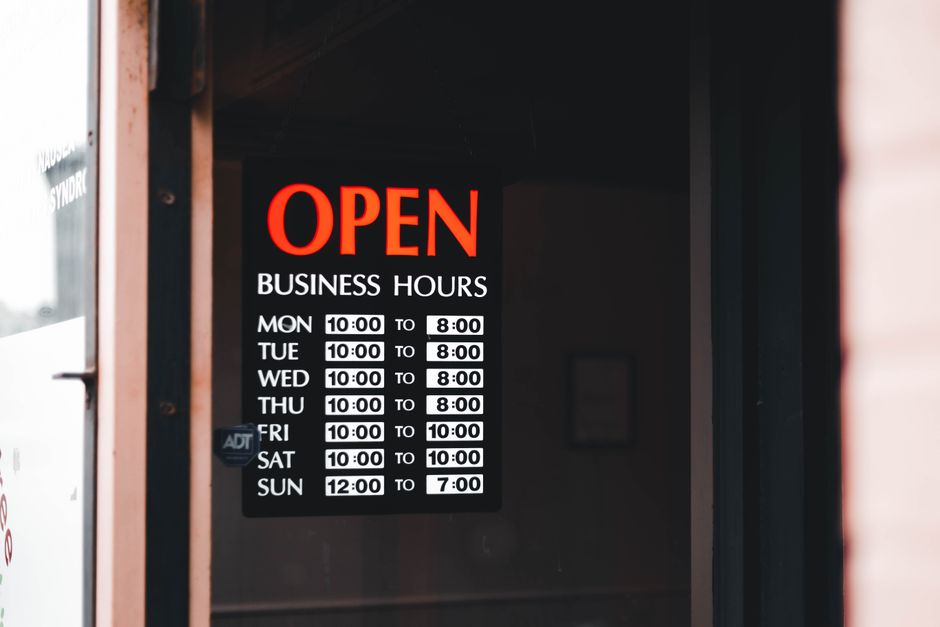
Friday Shutdown for a beginner-friendly workflow is one of the most practical approaches you can take in productivity — straightforward to set up and immediately useful.
Energy management matters as much as time management — schedule deep work during your peak alert hours. When setting up friday shutdown for a beginner-friendly workflow, give yourself a single session to configure it properly rather than doing it in pieces across several days.
A clear task list with no more than three priorities per day reduces decision fatigue and increases output.
Start with just this one change this week and notice how it shifts the rest of your day.
21 / 27
21. Task Parking Lot using a shared calendar

When it comes to productivity, task parking lot using a shared calendar stands out because it solves a real problem rather than adding another layer of complexity.
A clear task list with no more than three priorities per day reduces decision fatigue and increases output. When setting up task parking lot using a shared calendar, give yourself a single session to configure it properly rather than doing it in pieces across several days.
Template everything you do more than once — emails, meeting agendas, reports — and watch your speed double.
This is the kind of productivity habit that compounds — each week becomes noticeably easier than the last.
22 / 27
22. Email Window with fewer tabs

The appeal of email window with fewer tabs is how quickly it pays off — most people notice the difference within the first few uses.
Template everything you do more than once — emails, meeting agendas, reports — and watch your speed double. When setting up email window with fewer tabs, give yourself a single session to configure it properly rather than doing it in pieces across several days.
Saying no to low-priority commitments is one of the most powerful productivity skills you can build.
Build this into your routine and within a month it will feel completely natural.
23 / 27
23. Desk Reset for a smoother handoff
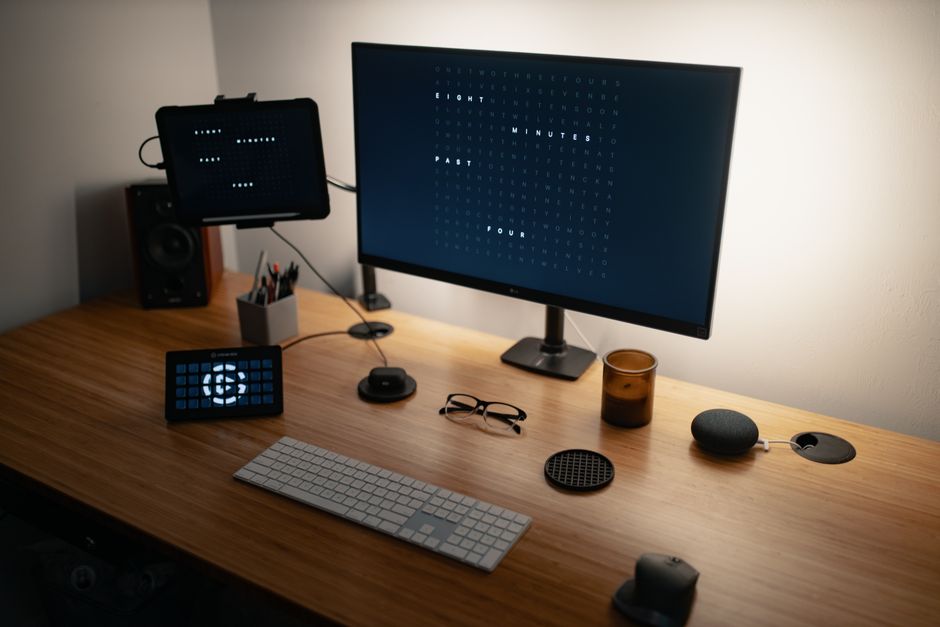
Desk Reset for a smoother handoff works especially well for anyone looking to get more out of their productivity setup without overhauling everything at once.
Saying no to low-priority commitments is one of the most powerful productivity skills you can build. When setting up desk reset for a smoother handoff, give yourself a single session to configure it properly rather than doing it in pieces across several days.
End every work session by writing tomorrow's first task — it makes starting the next day effortless.
Small, consistent improvements to how you work add up to dramatically better outcomes over time.
24 / 27
24. Meeting-Free Block using a single source of truth

If you've been looking for a concrete starting point in productivity, meeting-free block using a single source of truth is one of the most actionable places to begin.
End every work session by writing tomorrow's first task — it makes starting the next day effortless. When setting up meeting-free block using a single source of truth, give yourself a single session to configure it properly rather than doing it in pieces across several days.
Notifications are the single biggest productivity killer — turn off everything that doesn't require immediate action.
The goal isn't to do more — it's to do what matters with less friction and more focus.
25 / 27
25. Single-Task Hour with a more intentional device setup

Single-Task Hour with a more intentional device setup is one of the most practical approaches you can take in productivity — straightforward to set up and immediately useful.
Notifications are the single biggest productivity killer — turn off everything that doesn't require immediate action. When setting up single-task hour with a more intentional device setup, give yourself a single session to configure it properly rather than doing it in pieces across several days.
The Pomodoro method works best for tasks you're avoiding — 25 minutes of focus makes anything feel manageable.
Start with just this one change this week and notice how it shifts the rest of your day.
26 / 27
26. Calendar Buffer for a monthly digital tune-up
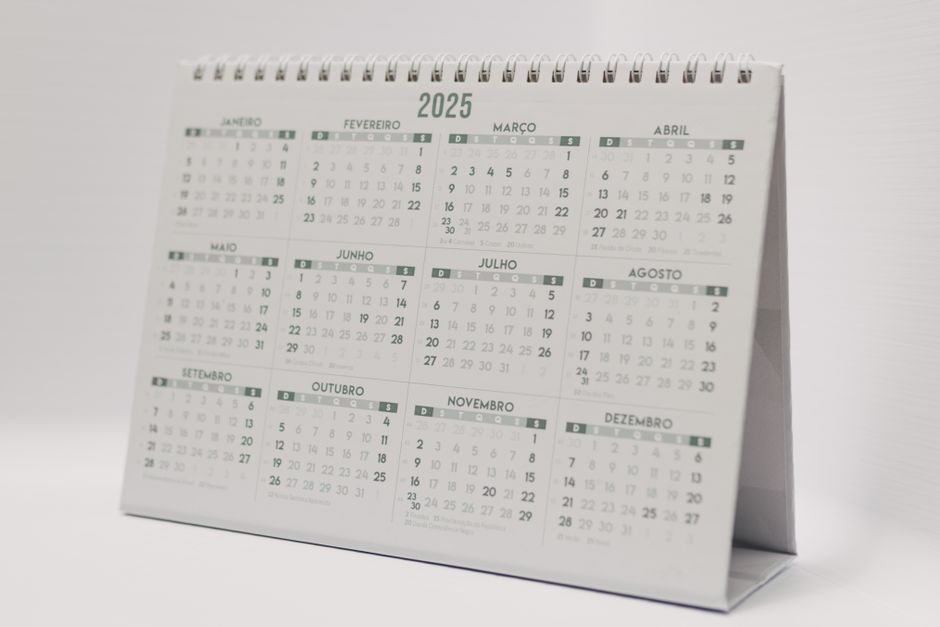
When it comes to productivity, calendar buffer for a monthly digital tune-up stands out because it solves a real problem rather than adding another layer of complexity.
The Pomodoro method works best for tasks you're avoiding — 25 minutes of focus makes anything feel manageable. When setting up calendar buffer for a monthly digital tune-up, give yourself a single session to configure it properly rather than doing it in pieces across several days.
Batch similar tasks together instead of switching between types — context-switching has a hidden time cost.
This is the kind of productivity habit that compounds — each week becomes noticeably easier than the last.
27 / 27
27. Weekly Review with one-tap automation
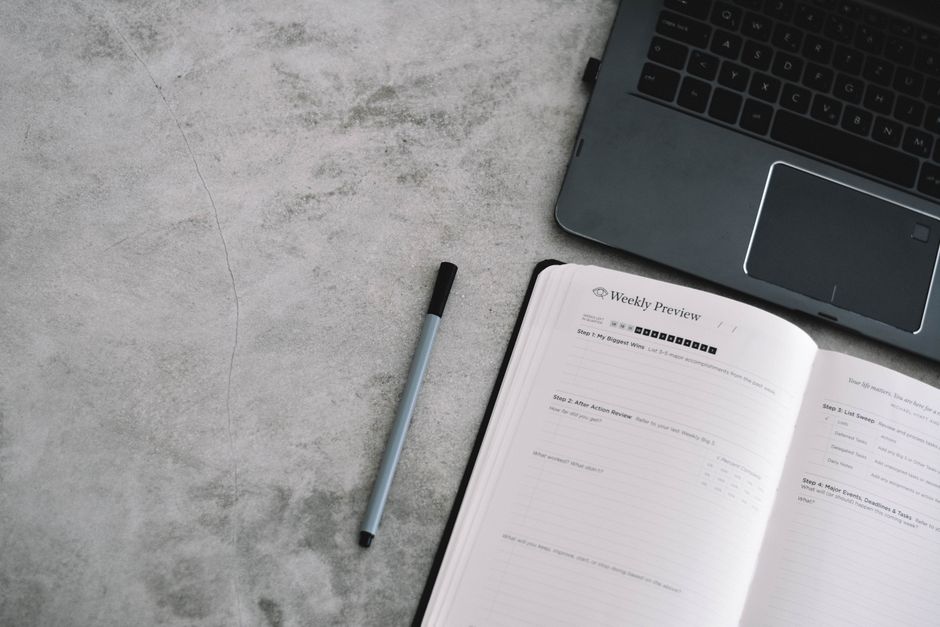
The appeal of weekly review with one-tap automation is how quickly it pays off — most people notice the difference within the first few uses.
Batch similar tasks together instead of switching between types — context-switching has a hidden time cost. When setting up weekly review with one-tap automation, give yourself a single session to configure it properly rather than doing it in pieces across several days.
A clean, organised workspace reduces cognitive load before you've even started working.
Build this into your routine and within a month it will feel completely natural.