smart-life · Smart Home
20 Door Sensor ideas
A focused smart home guide with distinct subjects, practical details, and useful ways to approach the topic.
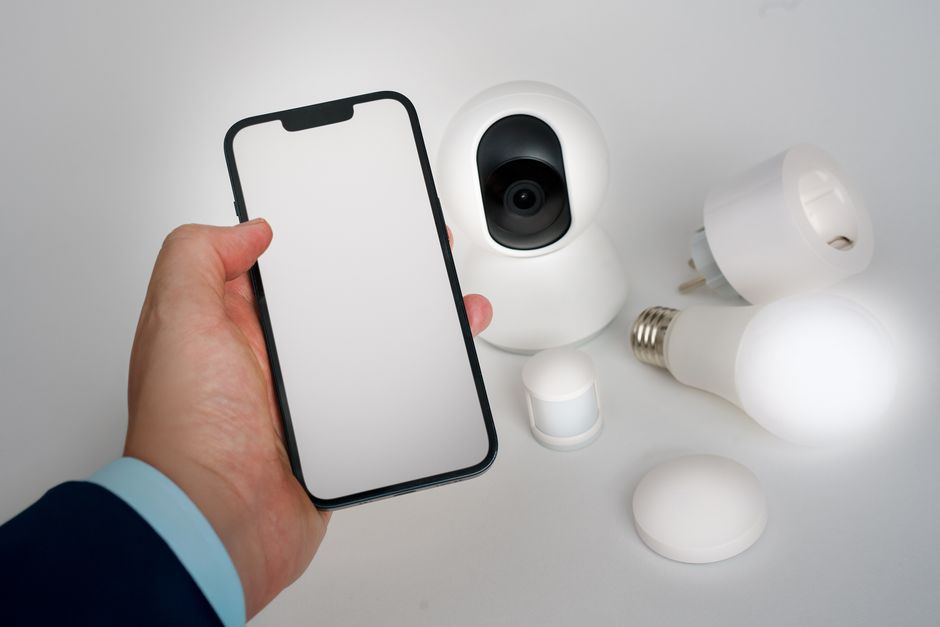
01 / 20
1. Door Sensor using an offline fallback
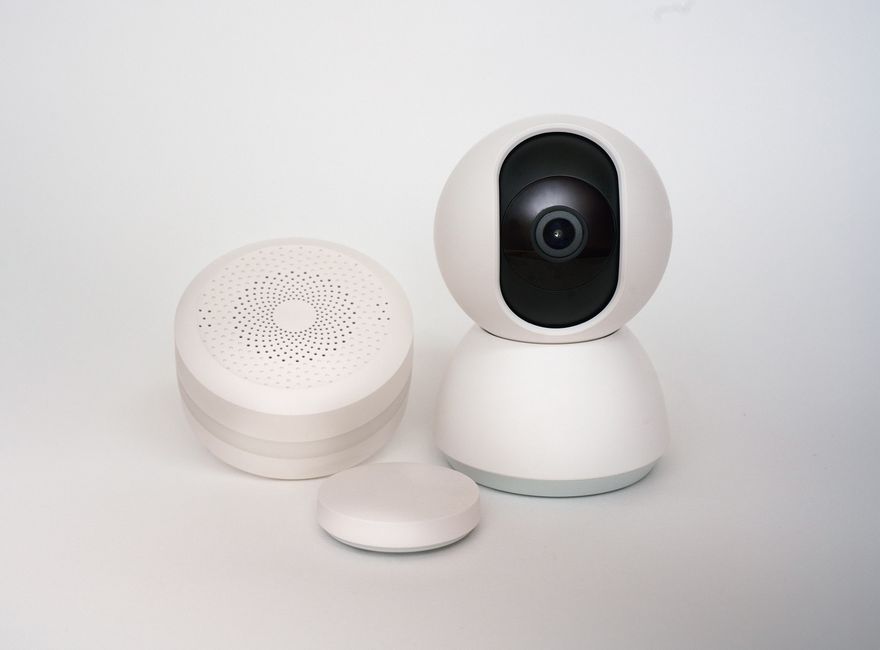
When it comes to smart home, door sensor using an offline fallback stands out because it solves a real problem rather than adding another layer of complexity.
A strong, dedicated Wi-Fi band for smart home devices keeps your network stable and your devices responsive. When setting up door sensor using an offline fallback, give yourself a single session to configure it properly rather than doing it in pieces across several days.
Group smart devices by room in your app so you can control entire spaces with a single command.
Once your smart home is set up and stable, it runs in the background without you thinking about it.
02 / 20
2. Door Sensor with a compact gadget setup

The appeal of door sensor with a compact gadget setup is how quickly it pays off — most people notice the difference within the first few uses.
Group smart devices by room in your app so you can control entire spaces with a single command. When setting up door sensor with a compact gadget setup, give yourself a single session to configure it properly rather than doing it in pieces across several days.
Routines and automations are where smart home devices really earn their place — set them up on day one.
The best smart home setup is one that adapts to your life, not the other way around.
03 / 20
3. Door Sensor for a beginner-friendly workflow
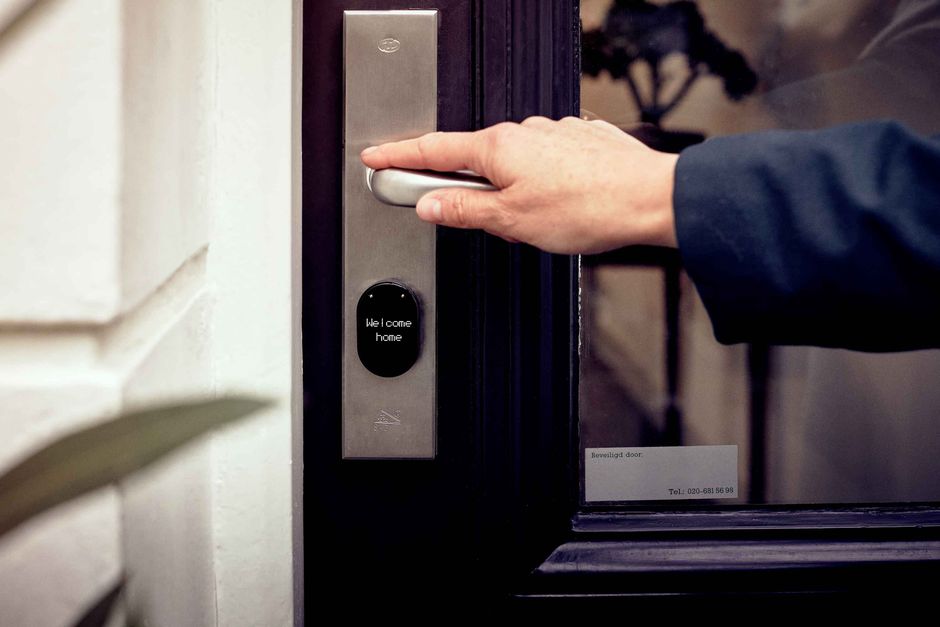
Door Sensor for a beginner-friendly workflow works especially well for anyone looking to get more out of their smart home setup without overhauling everything at once.
Routines and automations are where smart home devices really earn their place — set them up on day one. When setting up door sensor for a beginner-friendly workflow, give yourself a single session to configure it properly rather than doing it in pieces across several days.
Voice assistants work best when you use consistent, specific command phrases rather than varied natural language.
Start with one room, get it right, then expand — patience pays off in a smarter home.
04 / 20
4. Door Sensor using a shared calendar
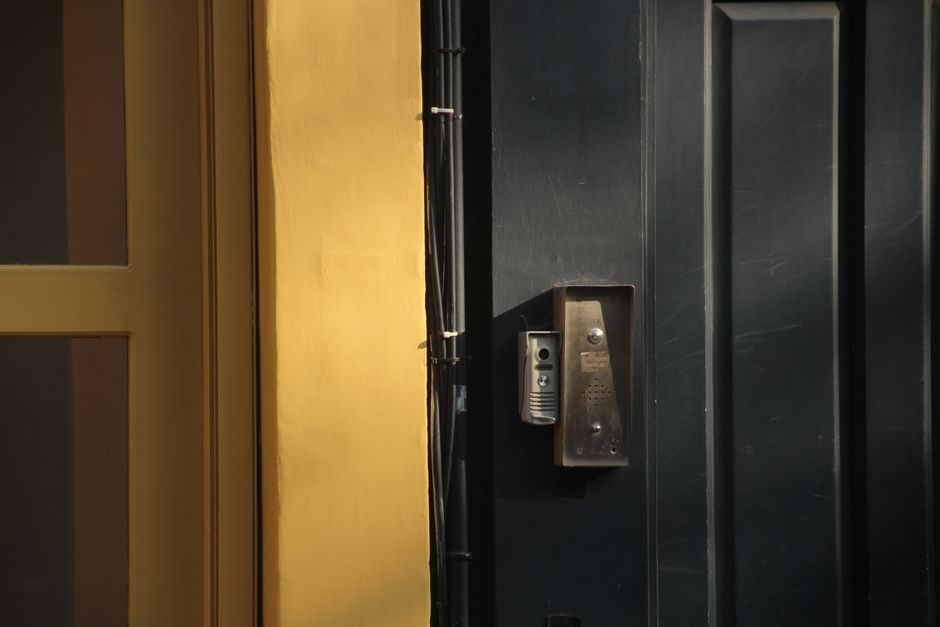
If you've been looking for a concrete starting point in smart home, door sensor using a shared calendar is one of the most actionable places to begin.
Voice assistants work best when you use consistent, specific command phrases rather than varied natural language. When setting up door sensor using a shared calendar, give yourself a single session to configure it properly rather than doing it in pieces across several days.
Smart plugs are the lowest-cost entry point into home automation and work with almost any existing appliance.
When it all clicks together, a smart home feels less like technology and more like a home that knows you.
05 / 20
5. Door Sensor with fewer tabs
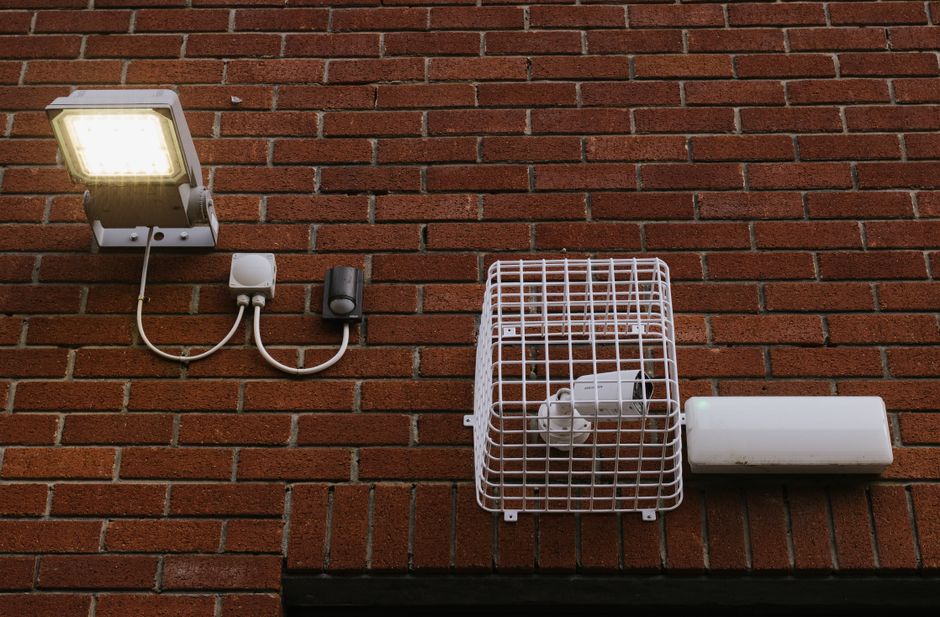
Door Sensor with fewer tabs is one of the most practical approaches you can take in smart home — straightforward to set up and immediately useful.
Smart plugs are the lowest-cost entry point into home automation and work with almost any existing appliance. When setting up door sensor with fewer tabs, give yourself a single session to configure it properly rather than doing it in pieces across several days.
Keep your smart home hub updated — firmware updates often fix connectivity bugs and add new features.
Give each automation a full week of real use before adjusting — some take a few days to feel right.
06 / 20
6. Door Sensor for a smoother handoff
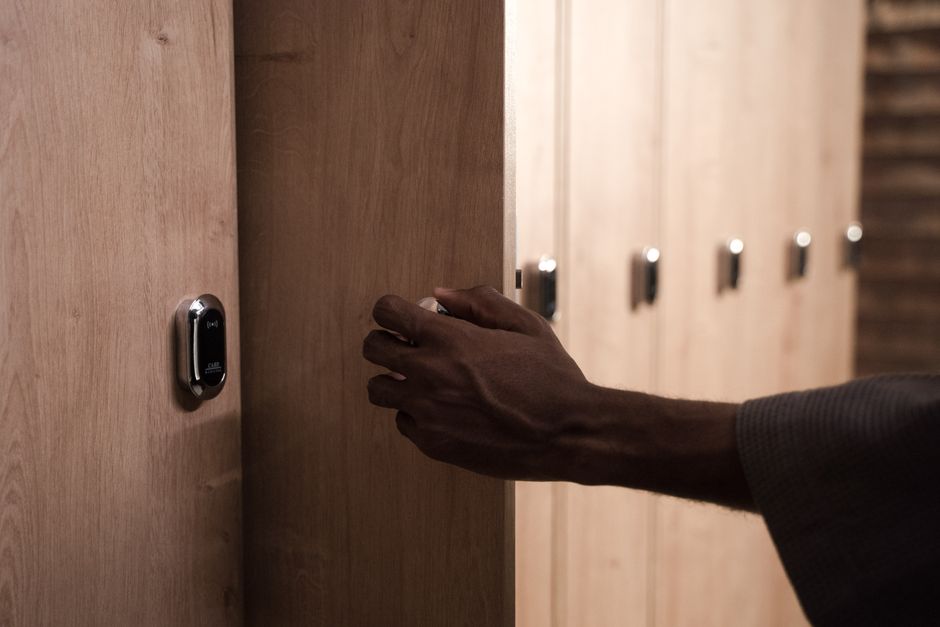
When it comes to smart home, door sensor for a smoother handoff stands out because it solves a real problem rather than adding another layer of complexity.
Keep your smart home hub updated — firmware updates often fix connectivity bugs and add new features. When setting up door sensor for a smoother handoff, give yourself a single session to configure it properly rather than doing it in pieces across several days.
A guest network for smart home devices keeps them separate from your main devices for better security.
Once your smart home is set up and stable, it runs in the background without you thinking about it.
07 / 20
7. Door Sensor using a single source of truth
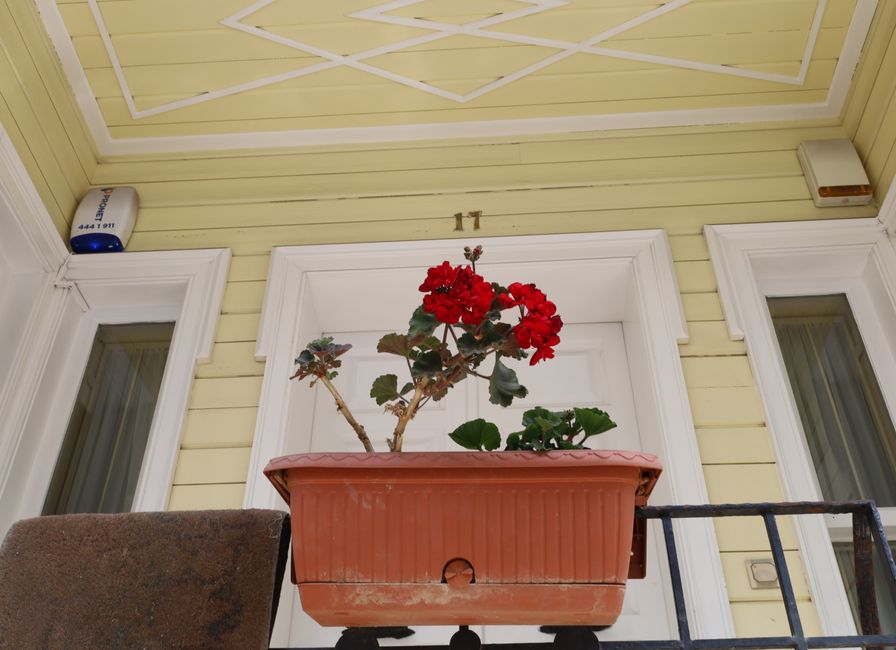
The appeal of door sensor using a single source of truth is how quickly it pays off — most people notice the difference within the first few uses.
A guest network for smart home devices keeps them separate from your main devices for better security. When setting up door sensor using a single source of truth, give yourself a single session to configure it properly rather than doing it in pieces across several days.
Energy monitoring features on smart plugs often reveal appliances using far more power than expected.
The best smart home setup is one that adapts to your life, not the other way around.
08 / 20
8. Door Sensor with a more intentional device setup

Door Sensor with a more intentional device setup works especially well for anyone looking to get more out of their smart home setup without overhauling everything at once.
Energy monitoring features on smart plugs often reveal appliances using far more power than expected. When setting up door sensor with a more intentional device setup, give yourself a single session to configure it properly rather than doing it in pieces across several days.
Geofencing automations — triggering actions when you arrive or leave — are one of the most practical smart home features.
Start with one room, get it right, then expand — patience pays off in a smarter home.
09 / 20
9. Door Sensor for a monthly digital tune-up
If you've been looking for a concrete starting point in smart home, door sensor for a monthly digital tune-up is one of the most actionable places to begin.
Geofencing automations — triggering actions when you arrive or leave — are one of the most practical smart home features. When setting up door sensor for a monthly digital tune-up, give yourself a single session to configure it properly rather than doing it in pieces across several days.
Label every device in your smart home app clearly so automations remain readable and editable months later.
When it all clicks together, a smart home feels less like technology and more like a home that knows you.
10 / 20
10. Door Sensor with one-tap automation
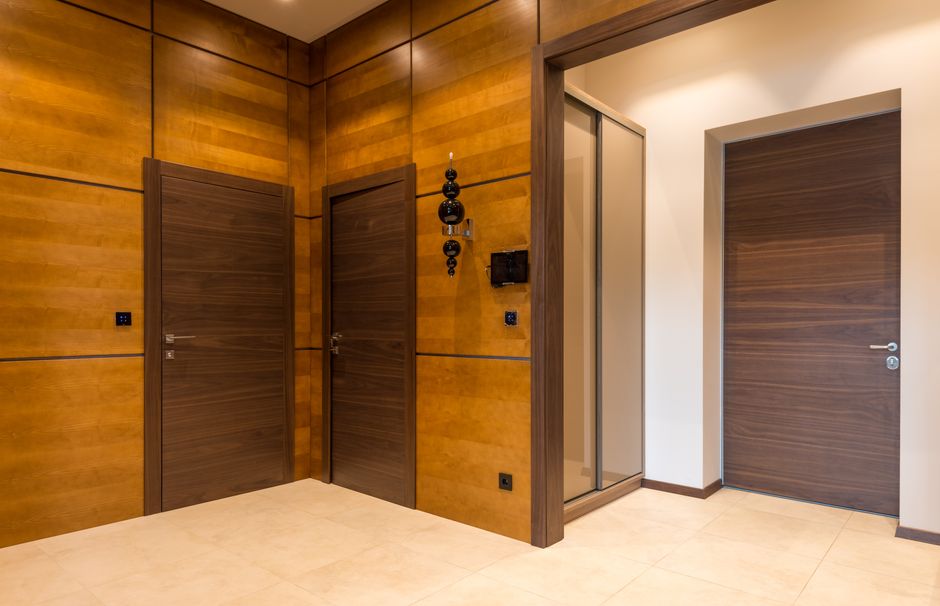
Door Sensor with one-tap automation is one of the most practical approaches you can take in smart home — straightforward to set up and immediately useful.
Label every device in your smart home app clearly so automations remain readable and editable months later. When setting up door sensor with one-tap automation, give yourself a single session to configure it properly rather than doing it in pieces across several days.
Not every device needs to be smart — focus automation on the things you interact with most often.
Give each automation a full week of real use before adjusting — some take a few days to feel right.
11 / 20
11. Door Sensor using a cleaner notification setup
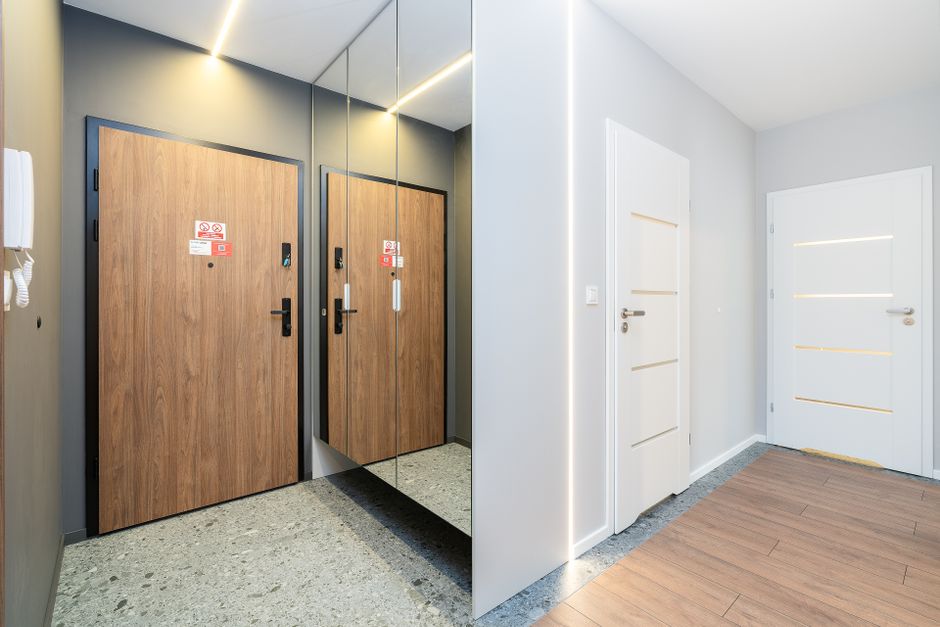
When it comes to smart home, door sensor using a cleaner notification setup stands out because it solves a real problem rather than adding another layer of complexity.
Not every device needs to be smart — focus automation on the things you interact with most often. When setting up door sensor using a cleaner notification setup, give yourself a single session to configure it properly rather than doing it in pieces across several days.
Smart lighting scenes create the right atmosphere for work, relaxation and sleep without manual adjustment.
Once your smart home is set up and stable, it runs in the background without you thinking about it.
12 / 20
12. Door Sensor for a faster morning workflow
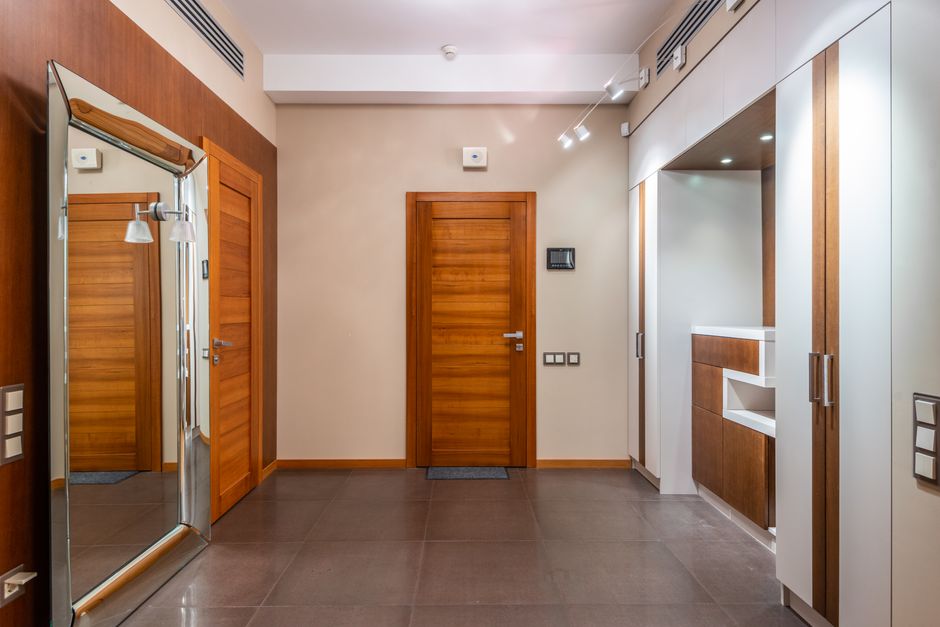
The appeal of door sensor for a faster morning workflow is how quickly it pays off — most people notice the difference within the first few uses.
Smart lighting scenes create the right atmosphere for work, relaxation and sleep without manual adjustment. When setting up door sensor for a faster morning workflow, give yourself a single session to configure it properly rather than doing it in pieces across several days.
A smart home that requires troubleshooting weekly isn't actually saving time — reliability must come first.
The best smart home setup is one that adapts to your life, not the other way around.
13 / 20
13. Door Sensor with privacy-first settings
Door Sensor with privacy-first settings works especially well for anyone looking to get more out of their smart home setup without overhauling everything at once.
A smart home that requires troubleshooting weekly isn't actually saving time — reliability must come first. When setting up door sensor with privacy-first settings, give yourself a single session to configure it properly rather than doing it in pieces across several days.
Matter-compatible devices work across ecosystems, making your smart home flexible and future-proof.
Start with one room, get it right, then expand — patience pays off in a smarter home.
14 / 20
14. Door Sensor for a clutter-free desktop
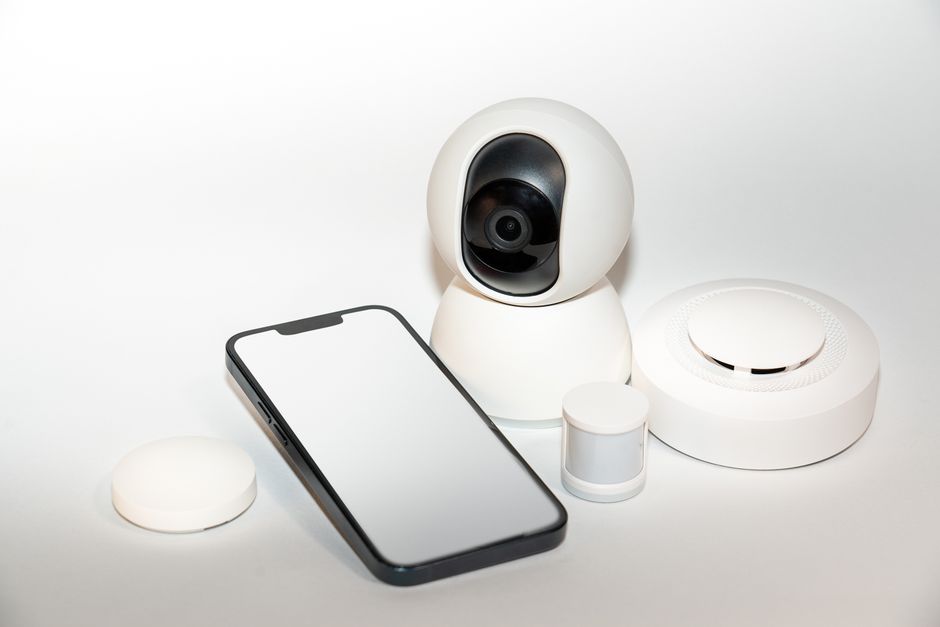
If you've been looking for a concrete starting point in smart home, door sensor for a clutter-free desktop is one of the most actionable places to begin.
Matter-compatible devices work across ecosystems, making your smart home flexible and future-proof. When setting up door sensor for a clutter-free desktop, give yourself a single session to configure it properly rather than doing it in pieces across several days.
Test automations manually before relying on them — catching edge cases early prevents frustrating surprises.
When it all clicks together, a smart home feels less like technology and more like a home that knows you.
15 / 20
15. Door Sensor using a simple shortcut
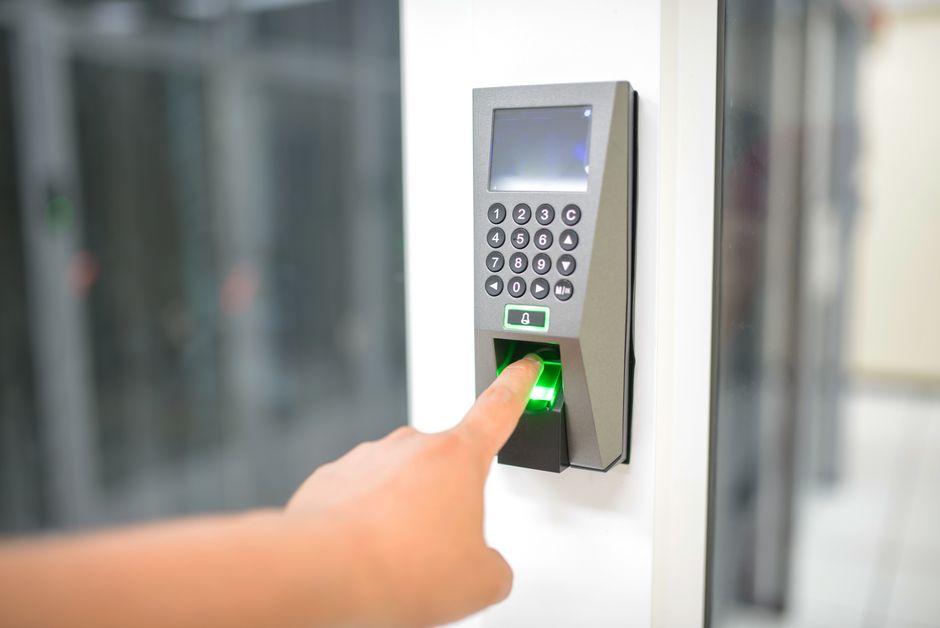
Door Sensor using a simple shortcut is one of the most practical approaches you can take in smart home — straightforward to set up and immediately useful.
Test automations manually before relying on them — catching edge cases early prevents frustrating surprises. When setting up door sensor using a simple shortcut, give yourself a single session to configure it properly rather than doing it in pieces across several days.
A strong, dedicated Wi-Fi band for smart home devices keeps your network stable and your devices responsive.
Give each automation a full week of real use before adjusting — some take a few days to feel right.
16 / 20
16. Door Sensor with a low-friction backup plan
When it comes to smart home, door sensor with a low-friction backup plan stands out because it solves a real problem rather than adding another layer of complexity.
A strong, dedicated Wi-Fi band for smart home devices keeps your network stable and your devices responsive. When setting up door sensor with a low-friction backup plan, give yourself a single session to configure it properly rather than doing it in pieces across several days.
Group smart devices by room in your app so you can control entire spaces with a single command.
Once your smart home is set up and stable, it runs in the background without you thinking about it.
17 / 20
17. Door Sensor for a distraction-light workday
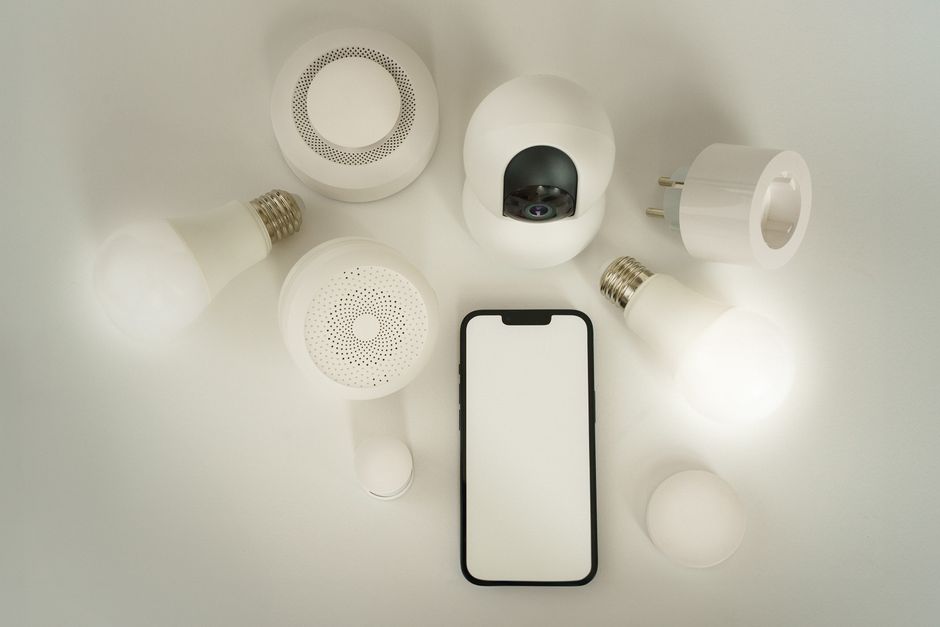
The appeal of door sensor for a distraction-light workday is how quickly it pays off — most people notice the difference within the first few uses.
Group smart devices by room in your app so you can control entire spaces with a single command. When setting up door sensor for a distraction-light workday, give yourself a single session to configure it properly rather than doing it in pieces across several days.
Routines and automations are where smart home devices really earn their place — set them up on day one.
The best smart home setup is one that adapts to your life, not the other way around.
18 / 20
18. Door Sensor using a shared workspace
Door Sensor using a shared workspace works especially well for anyone looking to get more out of their smart home setup without overhauling everything at once.
Routines and automations are where smart home devices really earn their place — set them up on day one. When setting up door sensor using a shared workspace, give yourself a single session to configure it properly rather than doing it in pieces across several days.
Voice assistants work best when you use consistent, specific command phrases rather than varied natural language.
Start with one room, get it right, then expand — patience pays off in a smarter home.
19 / 20
19. Door Sensor with a better file system
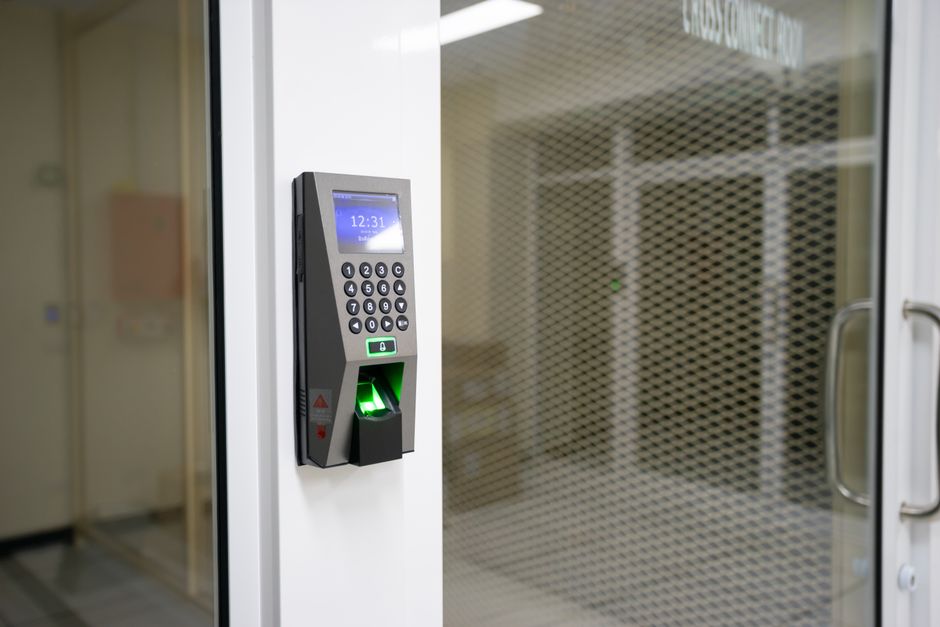
If you've been looking for a concrete starting point in smart home, door sensor with a better file system is one of the most actionable places to begin.
Voice assistants work best when you use consistent, specific command phrases rather than varied natural language. When setting up door sensor with a better file system, give yourself a single session to configure it properly rather than doing it in pieces across several days.
Smart plugs are the lowest-cost entry point into home automation and work with almost any existing appliance.
When it all clicks together, a smart home feels less like technology and more like a home that knows you.
20 / 20
20. Door Sensor for a travel-ready setup
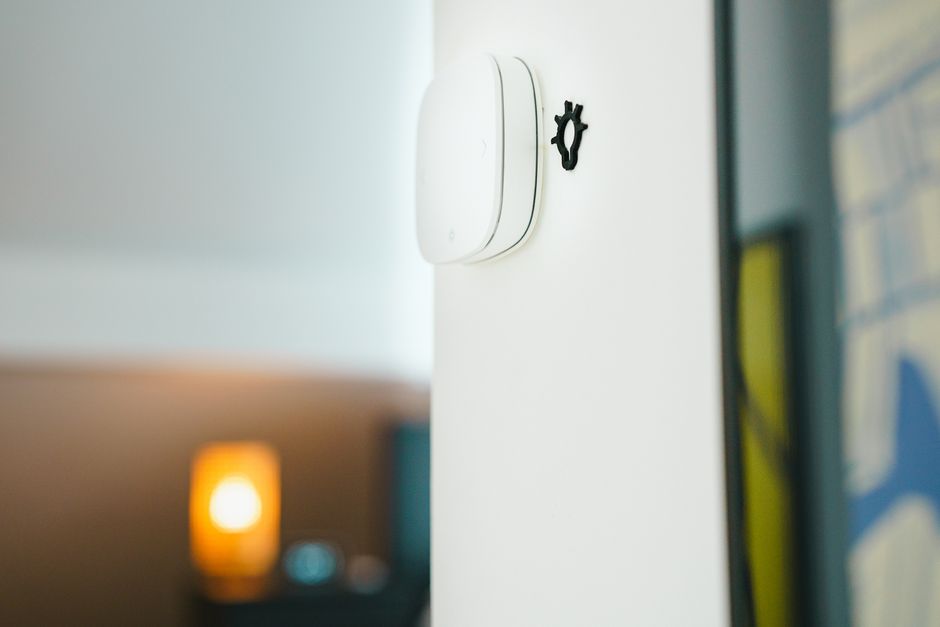
Door Sensor for a travel-ready setup is one of the most practical approaches you can take in smart home — straightforward to set up and immediately useful.
Smart plugs are the lowest-cost entry point into home automation and work with almost any existing appliance. When setting up door sensor for a travel-ready setup, give yourself a single session to configure it properly rather than doing it in pieces across several days.
Keep your smart home hub updated — firmware updates often fix connectivity bugs and add new features.
Give each automation a full week of real use before adjusting — some take a few days to feel right.