wellness · Evening Routines
21 Soft-Light Hour ideas
A focused evening routines guide with distinct subjects, practical details, and useful ways to approach the topic.
01 / 21
1. Soft-Light Hour during a weekend morning
If your list of ideas has gone stale, soft-Light hour during a weekend morning is the kind of change that breathes new life into it.
Take a rest day from the soft-Light hour during a weekend morning whenever you need one; recovery is part of the plan.
If a new habit feels heavy, cut it in half until it feels easy again. A wind-down routine, with dim lights and no screens, helps your body prepare for sleep.
When in doubt with soft-Light hour during a weekend morning, keep it simple and let quality do the work.
02 / 21
2. Soft-Light Hour with an easy wind-down
Before you start on soft-Light hour, take a minute to picture the finished result; it will guide every choice you make.
An easy wind-down is what gives this version its identity, so give it a little extra care. Keep water and a comfortable spot ready for the soft-Light hour so there's no excuse to skip it.
Ten minutes of daylight in the morning helps regulate sleep and lifts mood. Consistency beats intensity: a modest daily practice outlasts an intense weekly one.
Small adjustments make soft-Light hour personal, so don't hesitate to swap in whatever suits your taste.
03 / 21
3. Soft-Light Hour for a slower morning
Think of soft-Light hour as a small project with a big payoff: an hour of thought now saves a lot of fuss later.
When the goal is a slower morning, simplicity usually wins; an extra step only helps if it earns its place. Pick a consistent time for the soft-Light hour; habits stick best when they share the same slot every day.
Hydration affects energy and focus more than most people notice. Notice small wins, like feeling a bit calmer or sleeping better, since they build motivation.
Little by little, soft-Light hour stops feeling like a project and starts feeling like a habit.
04 / 21
4. Soft-Light Hour before bedtime
Many people overlook soft-Light hour before bedtime, but it can transform a routine moment into something worth remembering.
Start the soft-Light hour before bedtime with three slow breaths to signal your body that it's time to switch gears.
Gentle movement after meals supports digestion and steadies energy. Ten minutes of daylight in the morning helps regulate sleep and lifts mood.
If soft-Light hour before bedtime works for you, build on it; if not, take what helped and move on without guilt.
05 / 21
5. Soft-Light Hour after a stressful day after a stressful day

Some ideas hold up over time, and soft-Light hour after a stressful day after a stressful day is one of them; it looks good, feels good, and stays useful.
Pair the soft-Light hour after a stressful day after a stressful day with something you enjoy, like a favourite playlist or a warm cup of tea.
Slow, deep breathing with a longer exhale signals the nervous system to calm down. A wind-down routine, with dim lights and no screens, helps your body prepare for sleep.
Once you've made soft-Light hour after a stressful day after a stressful day your own, it becomes an idea you'll happily return to.
06 / 21
6. Soft-Light Hour with gentle movement

You don't need special skills for soft-Light hour, only a bit of patience and a willingness to adjust as you go.
Treat the gentle movement as the finishing note rather than the starting point, and it will stand out instead of competing. Track how you feel after the soft-Light hour rather than how much you did; mood is a better guide than numbers.
A wind-down routine, with dim lights and no screens, helps your body prepare for sleep. Gentle movement after meals supports digestion and steadies energy.
The best measure of soft-Light hour is simple: does it make the day feel a little easier or a little brighter?
07 / 21
7. Soft-Light Hour for a desk-bound afternoon

Not every idea needs to be dramatic, and soft-Light hour proves it with quiet, dependable charm.
Keep a desk-bound afternoon in mind as you go, and adjust the details whenever the plan changes. Listen to your body during the soft-Light hour; discomfort is a cue to adjust, not to push harder.
Notice small wins, like feeling a bit calmer or sleeping better, since they build motivation. Consistency beats intensity: a modest daily practice outlasts an intense weekly one.
Share soft-Light hour with a friend and swap notes afterwards. Two versions are always more interesting than one.
08 / 21
8. Soft-Light Hour during a screen break

What makes soft-Light hour during a screen break worth trying is how much room it leaves for your own taste.
Ease into the soft-Light hour during a screen break gently, with a short session and a slow build, so your body and mind can adapt.
Gentle movement after meals supports digestion and steadies energy. Consistency beats intensity: a modest daily practice outlasts an intense weekly one.
Try it once this week and you'll quickly see whether soft-Light hour during a screen break deserves a permanent place in your rotation.
09 / 21
9. Soft-Light Hour with a calming scent
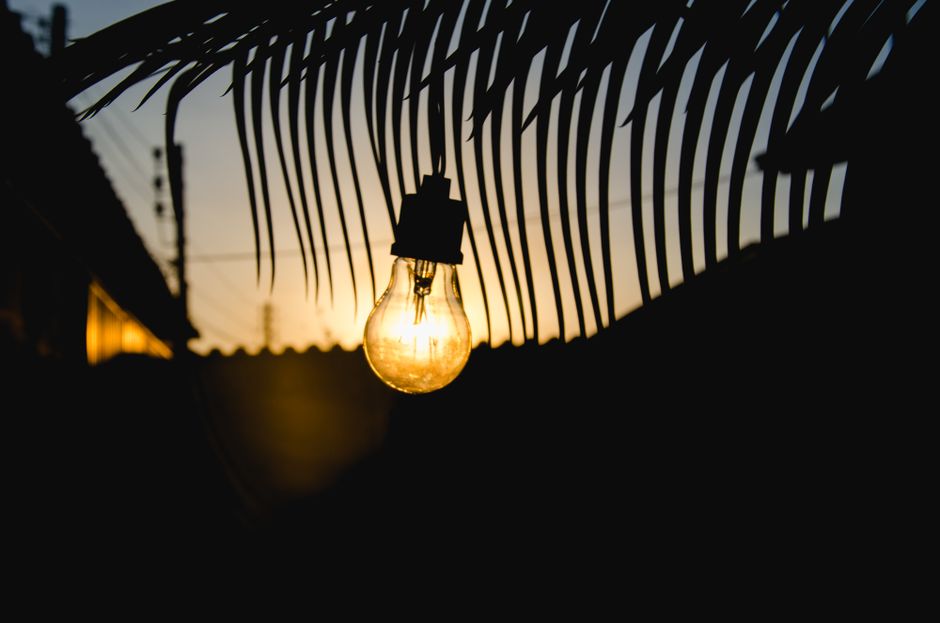
Soft-Light Hour is best approached with curiosity: try it once, notice what works, and refine from there.
A calming scent is the detail people will notice first, so it's worth getting right. Keep water and a comfortable spot ready for the soft-Light hour so there's no excuse to skip it.
A wind-down routine, with dim lights and no screens, helps your body prepare for sleep. Hydration affects energy and focus more than most people notice.
Keep a note of what you'd change next time, because soft-Light hour gets better with each attempt.
10 / 21
10. Soft-Light Hour for a quiet weekend
There's a reason soft-Light hour keeps coming up: it's simple to start, easy to personalise, and hard to get badly wrong.
Thinking about a quiet weekend first makes the rest easy, because you know what to include and what to skip. Start the soft-Light hour with three slow breaths to signal your body that it's time to switch gears.
Notice small wins, like feeling a bit calmer or sleeping better, since they build motivation. Ten minutes of daylight in the morning helps regulate sleep and lifts mood.
Save this one for later; soft-Light hour is the kind of idea that becomes more useful the more you think about it.
11 / 21
11. Soft-Light Hour after a long commute after a long commute

Here's a version of soft-Light hour after a long commute after a long commute that works whether you're a first-timer or someone who does this all the time.
Ease into the soft-Light hour after a long commute after a long commute gently, with a short session and a slow build, so your body and mind can adapt.
Consistency beats intensity: a modest daily practice outlasts an intense weekly one. Gentle movement after meals supports digestion and steadies energy.
Save this one for later; soft-Light hour after a long commute after a long commute is the kind of idea that becomes more useful the more you think about it.
12 / 21
12. Soft-Light Hour with a short breathing pause

Soft-Light Hour rewards a little attention to detail, and the details are easier than they sound.
Adding a short breathing pause takes little effort but changes how the whole thing reads. Pair the soft-Light hour with something you enjoy, like a favourite playlist or a warm cup of tea.
Slow, deep breathing with a longer exhale signals the nervous system to calm down.
If soft-Light hour works for you, build on it; if not, take what helped and move on without guilt.
13 / 21
13. Soft-Light Hour for better evening energy
Soft-Light Hour is one of those ideas that looks effortless when it's done well, and the secret is mostly in the preparation.
Built for the better evening energy, this version stays practical and doesn't ask for more than the moment can give. Ease into the soft-Light hour gently, with a short session and a slow build, so your body and mind can adapt.
Consistency beats intensity: a modest daily practice outlasts an intense weekly one. Notice small wins, like feeling a bit calmer or sleeping better, since they build motivation.
Small adjustments make soft-Light hour personal, so don't hesitate to swap in whatever suits your taste.
14 / 21
14. Soft-Light Hour during a midday reset
Soft-Light Hour during a midday reset suits people who like to plan a little and improvise a little.
Pick a consistent time for the soft-Light hour during a midday reset; habits stick best when they share the same slot every day.
Gentle movement after meals supports digestion and steadies energy. Hydration affects energy and focus more than most people notice.
If soft-Light hour during a midday reset works for you, build on it; if not, take what helped and move on without guilt.
15 / 21
15. Soft-Light Hour with a hydration cue
Soft-Light Hour has a way of making an ordinary day feel a little more considered, and it doesn't take much to pull off.
Adding a hydration cue takes little effort but changes how the whole thing reads. Track how you feel after the soft-Light hour rather than how much you did; mood is a better guide than numbers.
Notice small wins, like feeling a bit calmer or sleeping better, since they build motivation. Slow, deep breathing with a longer exhale signals the nervous system to calm down.
Little by little, soft-Light hour stops feeling like a project and starts feeling like a habit.
16 / 21
16. Soft-Light Hour for a low-pressure workout
If you want something that feels fresh without being complicated, soft-Light hour is a solid place to begin.
Built for a low-pressure workout, this version stays practical and doesn't ask for more than the moment can give. Pair the soft-Light hour with something you enjoy, like a favourite playlist or a warm cup of tea.
Consistency beats intensity: a modest daily practice outlasts an intense weekly one. Hydration affects energy and focus more than most people notice.
Small adjustments make soft-Light hour personal, so don't hesitate to swap in whatever suits your taste.
17 / 21
17. Soft-Light Hour after an interrupted night after an interrupted night

Think of soft-Light hour after an interrupted night after an interrupted night as a small project with a big payoff: an hour of thought now saves a lot of fuss later.
Keep water and a comfortable spot ready for the soft-Light hour after an interrupted night after an interrupted night so there's no excuse to skip it.
A wind-down routine, with dim lights and no screens, helps your body prepare for sleep. Gentle movement after meals supports digestion and steadies energy.
Once you've made soft-Light hour after an interrupted night after an interrupted night your own, it becomes an idea you'll happily return to.
18 / 21
18. Soft-Light Hour with a nature break
Here's a version of soft-Light hour that works whether you're a first-timer or someone who does this all the time.
Adding a nature break takes little effort but changes how the whole thing reads. Listen to your body during the soft-Light hour; discomfort is a cue to adjust, not to push harder.
Consistency beats intensity: a modest daily practice outlasts an intense weekly one. Hydration affects energy and focus more than most people notice.
Once you've made soft-Light hour your own, it becomes an idea you'll happily return to.
19 / 21
19. Soft-Light Hour for a mindful meal
Not every idea needs to be dramatic, and soft-Light hour proves it with quiet, dependable charm.
When the goal is a mindful meal, simplicity usually wins; an extra step only helps if it earns its place. Take a rest day from the soft-Light hour whenever you need one; recovery is part of the plan.
Notice small wins, like feeling a bit calmer or sleeping better, since they build motivation. If a new habit feels heavy, cut it in half until it feels easy again.
Keep a note of what you'd change next time, because soft-Light hour gets better with each attempt.
20 / 21
20. Soft-Light Hour during a five-minute pause
If your list of ideas has gone stale, soft-Light hour during a five-minute pause is the kind of change that breathes new life into it.
Take a rest day from the soft-Light hour during a five-minute pause whenever you need one; recovery is part of the plan.
Consistency beats intensity: a modest daily practice outlasts an intense weekly one. A wind-down routine, with dim lights and no screens, helps your body prepare for sleep.
Little by little, soft-Light hour during a five-minute pause stops feeling like a project and starts feeling like a habit.
21 / 21
21. Soft-Light Hour with a gentle stretch
Soft-Light Hour suits people who like to plan a little and improvise a little.
A gentle stretch is the detail people will notice first, so it's worth getting right. Keep water and a comfortable spot ready for the soft-Light hour so there's no excuse to skip it.
Notice small wins, like feeling a bit calmer or sleeping better, since they build motivation. If a new habit feels heavy, cut it in half until it feels easy again.
Save this one for later; soft-Light hour is the kind of idea that becomes more useful the more you think about it.